Semiconductor Wet Bench Selection Guide
A comprehensive engineering guide to evaluating tank configurations, material compatibility, and SEMI S2/S8 safety standards—from manual R&D stations to fully automated wafer cleaning systems and platforms.
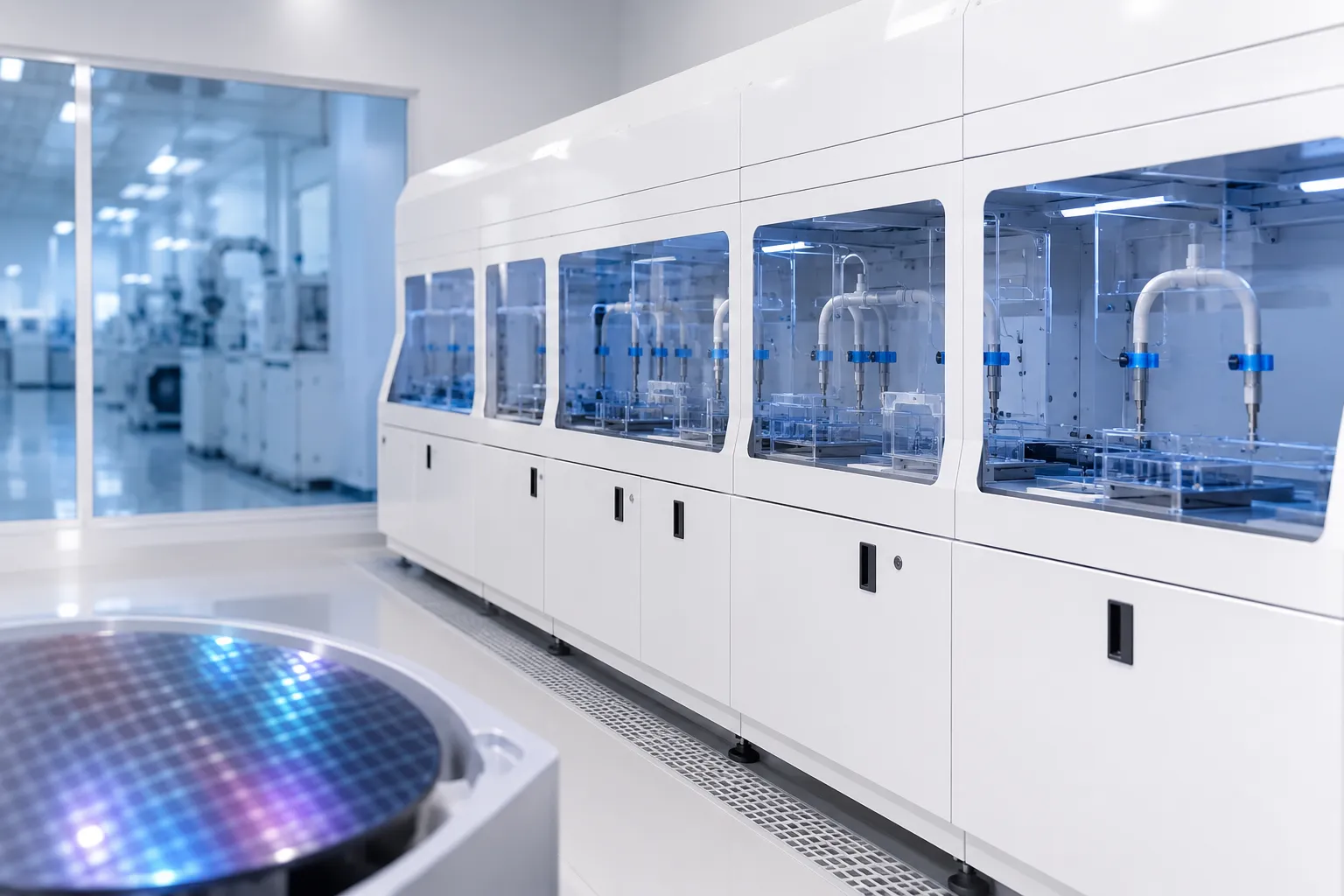
High-purity Quartz, PTFE, and PVDF tank compatibility for harsh chemical processing.
Certified cleanroom fire-retardant and operational safety compliance standards.
Customizable substrate handling tailored for Si, SiC, and GaN process requirements.
Wet Bench Configuration and Operation Mode Selection Matrix
Evaluating manual vs automated wet bench configurations requires balancing target throughput (wafers per hour / WPH), chemical exposure limits, particle budgets, and capital constraints. Choosing the optimal wet bench configuration directly influences wafer yield consistency, operator safety, and long-term cost per wafer out. While an R&D laboratory demands rapid process switching and manual immersion flexibility, a high-volume 24/7 fabrication facility relies on multi-axis robotic handling and SECS/GEM host integration to eliminate human contamination and process drift.
Our modular wet bench architecture supports seamless upgrades from R&D-level manual configurations to high-throughput automated systems, protecting your capital investment as production scales.
Manual Wet Bench
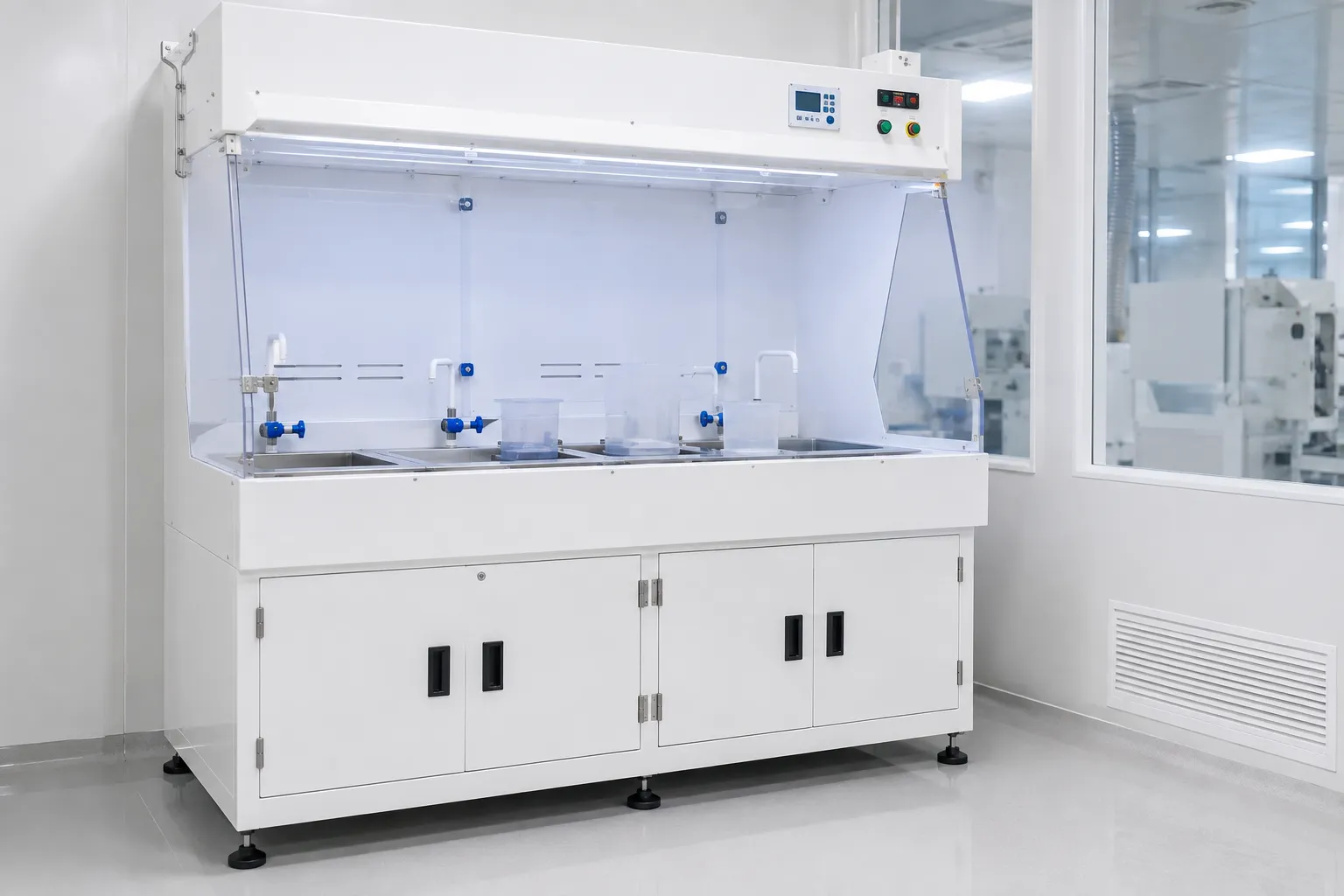
Engineered specifically for university cleanrooms, R&D laboratories, and initial process development facilities where maximum operational flexibility and low initial capital expenditure are required. Manual wet benches empower process engineers to perform quick chemical sequence trials, test novel etch formulas, and manually control cassette immersion times without dynamic software programming.
- Ideal for: R&D, process prototyping, university cleanrooms, and low-volume custom device development
- Wafer sizes: 2-inch to 8-inch (100mm–200mm standard, custom substrate fixtures available)
- Throughput: 10–30 WPH (highly dependent on operator efficiency and manual dwell time)
- Budget tier: Lowest initial CAPEX; minimal complex motion hardware and automation controls
- Process flexibility: Unmatched flexibility for instant recipe modification and multi-chemistry trial runs
Key Specification Parameters
| Parameter | Manual Wet Bench |
|---|---|
| Automation Level | Manual operator control with safety interlocks |
| Throughput (WPH) | 10–30 WPH (operator-dependent) |
| Particle Control | Moderate; limited by cleanroom operator proximity |
| Process Repeatability | Variable (dependent on manual timing accuracy) |
| SECS/GEM Integration | Not applicable |
| Safety Features | PPE interlocks, EMO button, CFD-optimized exhaust monitoring |
| Upgrade Path | Modular chassis — field-upgradeable to semi-automated hoist |
Manual vs Automated Wet Bench — Full Parameter Comparison
| Parameter | Manual | Semi-Automated | Fully Automated |
|---|---|---|---|
| Throughput (WPH) | 10–30 WPH | 30–80 WPH | 80–200+ WPH |
| Capital Cost | Low (R&D Budget Friendly) | Moderate | High (Production CAPEX) |
| Labor Cost per Wafer | High (Operator Intensive) | Moderate | Lowest (Minimal Handling) |
| Process Repeatability | Variable / Operator-Dependent | High (Timed Hoist Transfer) | Highest (Closed-Loop Controls) |
| Particle Control | Operator-Sensitive | Good | Excellent (ISO Class 5–7 Compatible) |
| SECS/GEM / MES | No | Optional Add-On | Standard Embedded Protocol |
| Best Application | R&D, Academic Cleanrooms | Pilot Lines, HMLV Fabs | 24/7 Volume Semiconductor Fabs |
| Upgrade Path | Upgradeable to Semi-Auto | Upgradeable to Full Automation | Expandable Tank & Track Layout |
Yield Impact of Automation
Automated cassette transfer removes human operator handling—the single largest source of particle contamination in semiconductor wet processing. Empirical fab data shows a 15% to 30% reduction in particle-induced yield loss when upgrading from a manual vs automated wet bench layout.
Wet Bench Configuration Flexibility
Our wet processing systems feature a modular frame architecture. Fabs can begin with a manual wet bench configuration for early process qualification and integrate pneumatic hoist arms, automated chemical dosing, and SECS/GEM protocol modules as volume scales.
Selecting the Right Automation Level
Align your tool configuration with your present WPH targets and long-term production roadmap. Our primary focus is to help you about-us avoid over-specifying full automation for low-volume R&D which creates unnecessary capital lockup, while preventing the under-specification of a manual bench for high-rate production that creates severe yield and throughput bottlenecks.
Chemical Degradation Mechanisms in Substrate Wet Cleaning
Chemical attack on wet bench process vessels primarily occurs through fluorination, aggressive oxidation, and solvent permeation. Hydrofluoric acid (HF) and Buffered Oxide Etch (BOE) rapidly break down fused quartz by cleaving silicon-oxygen bonds to form soluble silicon fluorides. Consequently, fluorine-based oxide etching demands non-metallic fluoropolymer construction such as virgin PTFE or PFA.
Conversely, hot sulfuric acid and hydrogen peroxide mixtures (SPM) subject process tanks to severe oxidative stress. Temperatures exceeding 130°C induce thermal oxidation and chain scission in standard thermoplastics, causing structural warping and trace ionic leaching. KOSEN SEMI engineers flame-polished quartz and ultra-high-purity fluoropolymer vessels engineered to withstand these aggressive thermal and oxidative loads without material fatigue.
Hot phosphoric acid (H3PO4) utilized for selective silicon nitride stripping requires highly stable fused quartz baths capable of operating up to 180°C. Lower-grade polymers experience severe thermal creep, dimensional deformation, and micro-cracking when subjected to continuous high-temperature chemical immersion.
Solvent processing—including NMP photoresist stripping, acetone rinses, and IPA drying—introduces flammability risks and electrostatic discharge (ESD) hazards. Electropolished 316L stainless steel tanks equipped with continuous grounding bonds dissipate static charge buildup while providing zero chemical swelling or degradation in organic solvent environments. To explore our high-precision equipment, learn more about-us and how our dedicated focus on specialized wet processing ensures long-term operational reliability.
Interactive Chemical Compatibility Lookup Engine
Select a process chemistry medium below to evaluate compatible wet bench tank materials and operational temperature limits.
Note: Compatibility guidelines reflect standard operating conditions. Recirculation flow rates, megasonic frequency, and chemical concentration alter exact material suitability.
Engineering Insight
Fluorine ions rapidly etch silicon dioxide. Never use quartz tanks for HF processing to prevent tank wall dissolution and catastrophic chemical leaks.
Hydrofluoric species rapidly dissolve silica bonds.
Resistant to concentrated HF up to 100°C.
Excellent performance for ambient HF immersion.
Immediate metal pitting and acid dissolution.
Process Tank Material Performance Specifications
High-Purity Fused Quartz
Precision-machined fused quartz engineered for high-temperature acidic baths. Features flame-polished internal welds to eliminate surface micro-fissures and particle accumulation.
- Max Temp: 180°C Continuous
- Applications: Hot H3PO4 Nitride Strip, SPM
- Purity Grade: Semiconductor Synthetic Silica
PTFE & PFA Fluoropolymers
Universal chemical inertness against concentrated acids, fluorides, and strong bases. CNC-machined or injection-molded for zero trace metal leaching.
- Max Temp: 150°C (PFA) / 100°C (PTFE)
- Applications: HF, BOE Etch, SC1/SC2 Clean
- Key Feature: Ultra-Hydrophobic Surface
PVDF & FRPP Polymers
Cost-effective polymer construction for ambient chemical baths, high-velocity Quick Dump Rinse (QDR) tanks, and overflow rinse modules.
- Max Temp: 80°C (PVDF) / 60°C (FRPP)
- Applications: QDR, Overflow Rinse, Ambient Acids
- Key Feature: High Mechanical Impact Strength
316L Stainless Steel
Electropolished metallic vessels engineered specifically for organic solvent strip modules, ultrasonic agitations, and solvent megasonic drying.
- Max Temp: 120°C Solvent Rated
- Applications: Solvent Strip, IPA Vapor Drying
- Safety: ESD Grounded & Explosion-Proof
Advanced Engineering & Cleanroom Quality Assurance
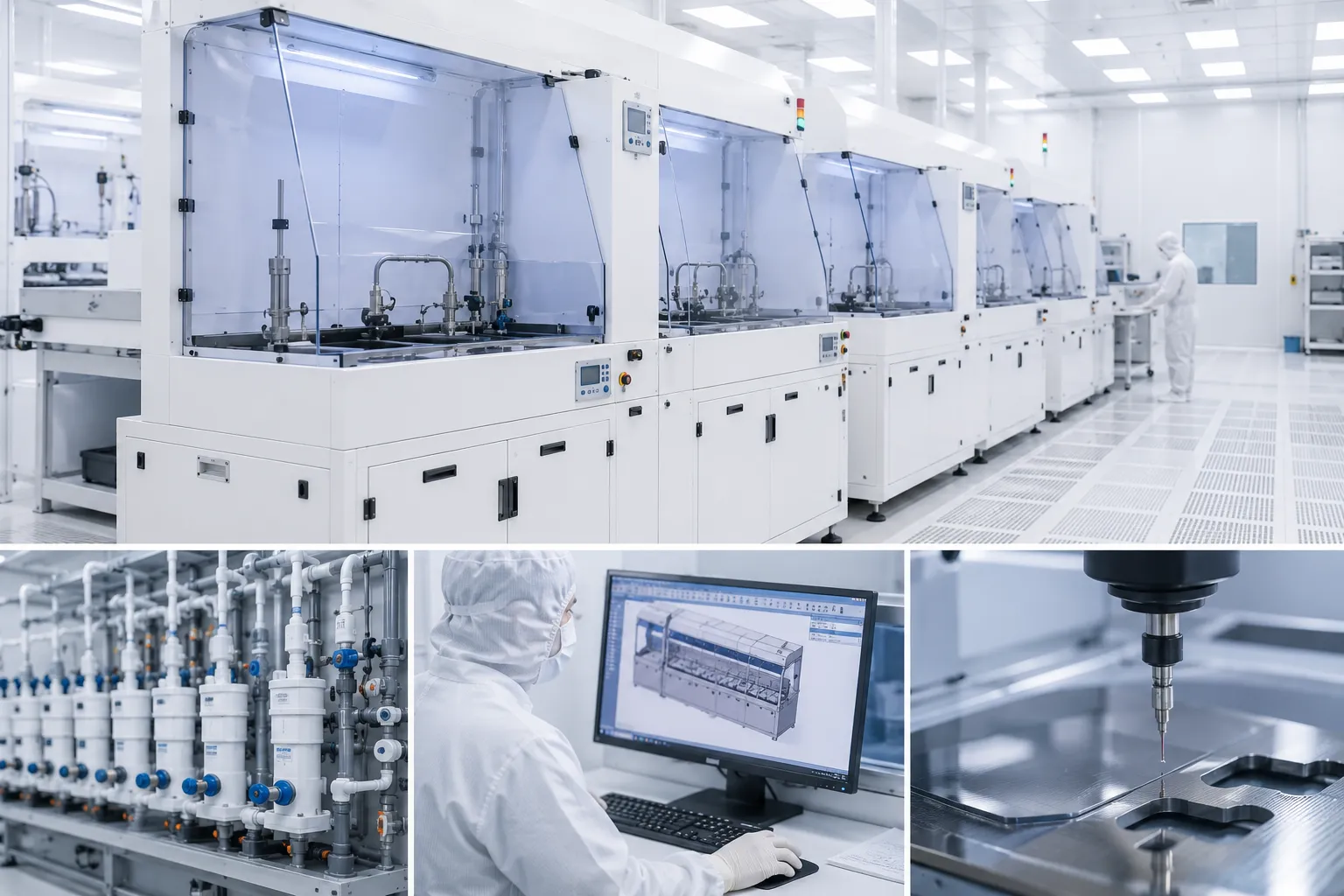
KOSEN SEMI utilizes high-purity imported polymer materials and precision-machined quartz tanks to minimize contamination risk and support extended service life. Advanced CNC milling combined with cleanroom thermal welding minimizes micro-voids where chemical entrapment occurs. Discover our comprehensive range of wafer-cleaning-systems built to strict cleanroom requirements.
- ✓ 100% Spark Leak Testing: High-voltage spark testing is performed across all thermoplastic seams to guarantee absolute hermetic seals.
- ✓ Thermal Shock Isolation: Fused quartz immersion baths incorporate dual-jacketed thermal buffer zones to prevent cracking during thermal ramping.
- ✓ Metallic Contamination Control: Metal-free fluoropolymer plumbing arrays reduce the risk of ionic leachables from contaminating sensitive wafer surfaces. For single-substrate processing needs, consider our specialized Single Wafer Cleaning Systems.
Our wet benches utilize high-purity imported polymer materials and precision-machined quartz tanks to minimize contamination risk and support extended service life. Custom CFD fluid dynamic modeling supports uniform chemical recirculation across every wafer pocket.
Comprehensive Chemical Compatibility Matrix
| Process Chemistry | Operating Temp | Fused Quartz | PTFE / PFA | PVDF | 316L Stainless Steel |
|---|---|---|---|---|---|
| Hydrofluoric Acid (HF 49% / BOE) | 20°C - 60°C | Forbidden | Recommended | Recommended | Forbidden |
| Hot Phosphoric Acid (H3PO4) | 150°C - 180°C | Recommended | Recommended | Over Temp Limit | Forbidden |
| SPM (H2SO4 + H2O2) | 100°C - 140°C | Recommended | Recommended | Limited Service Life | Forbidden |
| SC1 (NH4OH + H2O2) / SC2 (HCl + H2O2) | 60°C - 80°C | Slight Surface Etch | Recommended | Recommended | Not Recommended |
| Solvents (IPA / NMP / Acetone) | 20°C - 80°C | Recommended | Recommended | Swelling Risk | Recommended |
Process Application Matching and Functional Module Configuration
Aligning specific substrate chemical dynamics with target wet processing modules is critical for maximizing device yield, preventing contamination proliferation, and ensuring ultra-clean substrate surfaces across demanding clean bench applications. Whether executing critical RCA surface preparation, precision oxide recession, or complex photoresist strip processes, selecting the optimal combination of chemical recirculating baths, megasonic agitation, temperature-controlled manifolds, and wafer cleaning systems drying modules dictates post-clean particle metrics and batch repeatability across high-volume fab environments.
Substrate-Specific Surface Processing Requirements
Material characteristics across elemental, compound, and engineered substrates dictate required chemical compatibility, thermal bath limits, and fluid dynamics. Substrates ranging from standard silicon (Si) to wide bandgap materials like Silicon Carbide (SiC) and Gallium Nitride (GaN), as well as delicate MEMS structures, demand dedicated wet process architectures to avoid surface roughness, lattice strain, or pattern collapse.
- Silicon Substrates: Standard silicon wet cleaning focuses on sequential removal of organic residues, native oxides, and metallic ions. Hydrofluoric acid (HF) etching modules require dedicated high-purity fluoropolymer tanks, leak-free fluid containment, and ultra-clean chemical distribution loops.
- Compound Semiconductors (SiC / GaN): Wide bandgap substrates require aggressive chemical baths at elevated temperatures, such as hot phosphoric acid (H3PO4) or sulfuric acid-hydrogen peroxide mixtures (SPM), demanding specialized corrosion-resistant tank construction and high-precision heating manifolds.
- Microelectromechanical Systems (MEMS): Micro-machined sensors and fragile freestanding diaphragms require ultra-low surface tension processing and gentle fluidics to prevent stiction, structural collapse, and mechanical shock during chemical cleaning cycles.
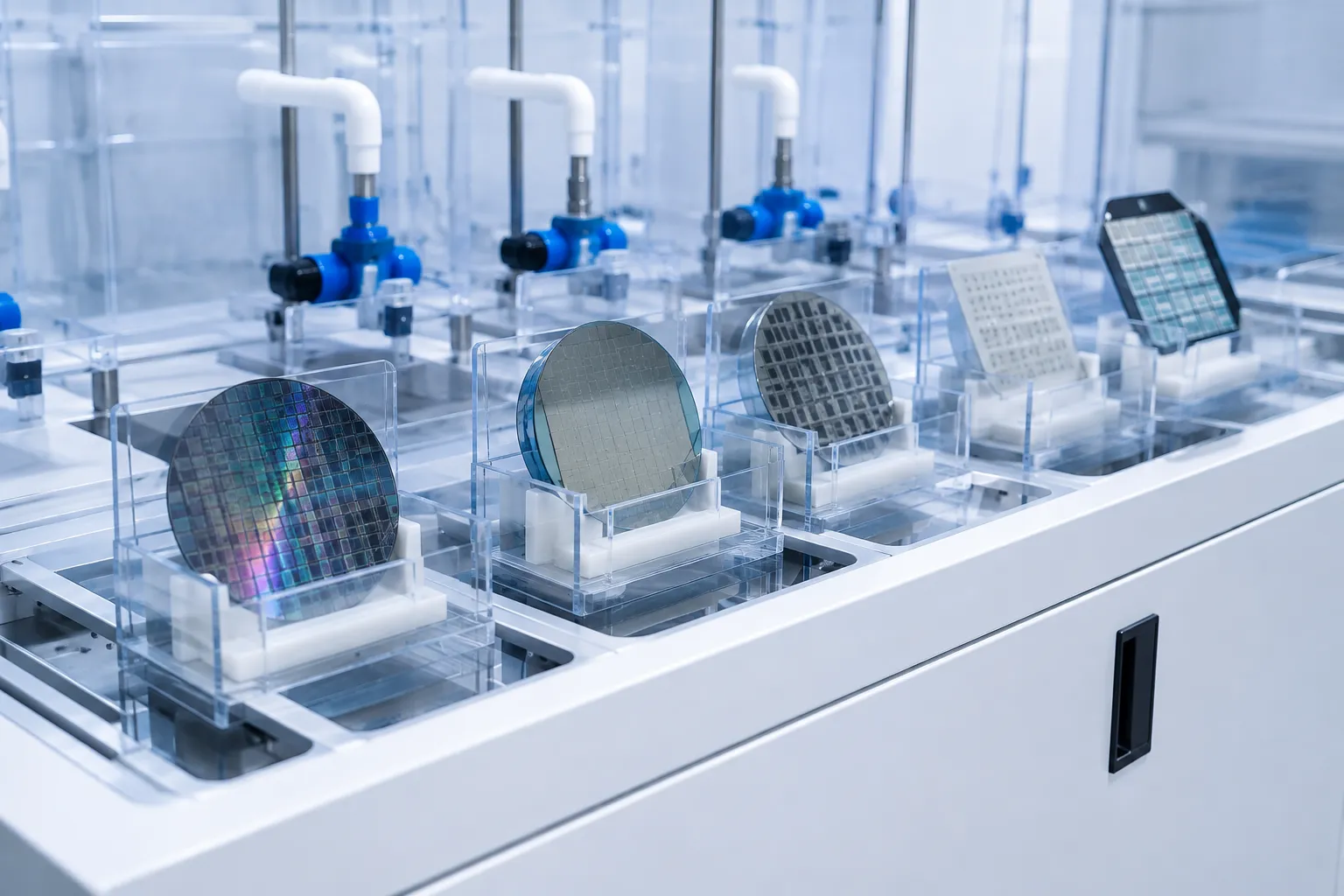
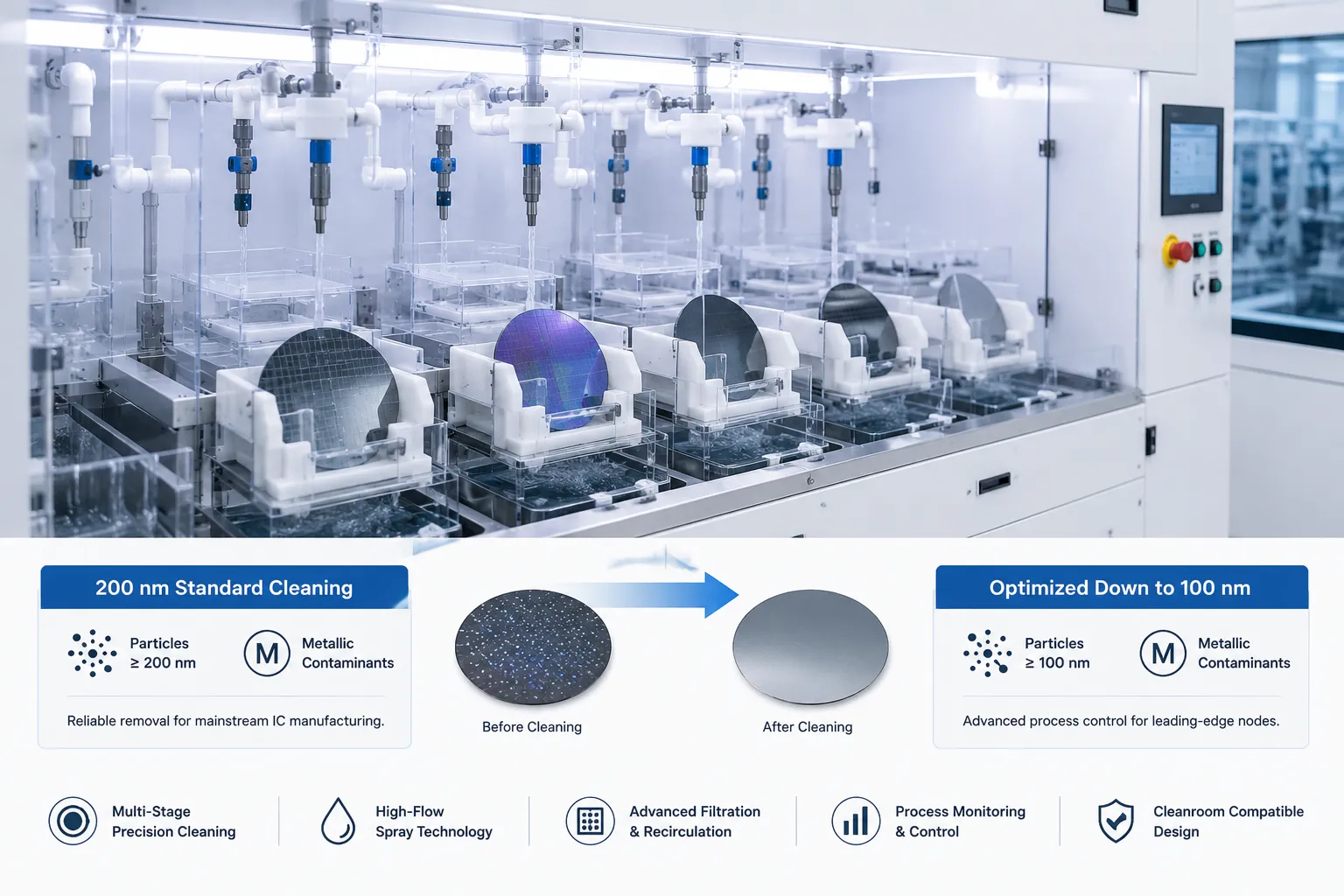
High-Efficiency Cleaning Modules for 200 nm Standard Particle & Metallic Removal, Optimized Down to 100 nm
Achieving ultra-low particle counts across advanced clean bench applications requires combining acoustic energy, continuous chemical bath filtration, and rapid rinse evacuation. Integrating multi-frequency transducer arrays with automated quick-dump rinsing prevents particle re-attachment during critical surface cleaning cycles.
- RCA Clean Bath Integration: Sequential Standard Clean 1 (SC1) removes organic films and light particulates, while Standard Clean 2 (SC2) strips alkali metal ions and heavy metallic impurities using ultra-pure chemical blends.
- Megasonic Transducer Arrays: Direct-bonded quartz megasonic transducers operating between 750 kHz and 3 MHz deliver uniform acoustic energy across wafer carriers, achieving reliable 200 nm standard particle removal with optimized capability down to 100 nm without damaging delicate features.
- Quick Dump Rinse (QDR) Systems: Pneumatically actuated bottom-dump doors and top-mounted high-velocity spray nozzles evacuate contaminated DI water within seconds, instantly halting chemical action and preventing particle re-deposition.
Precision Wafer Etching Bench Modules with Thermal and Concentration Control
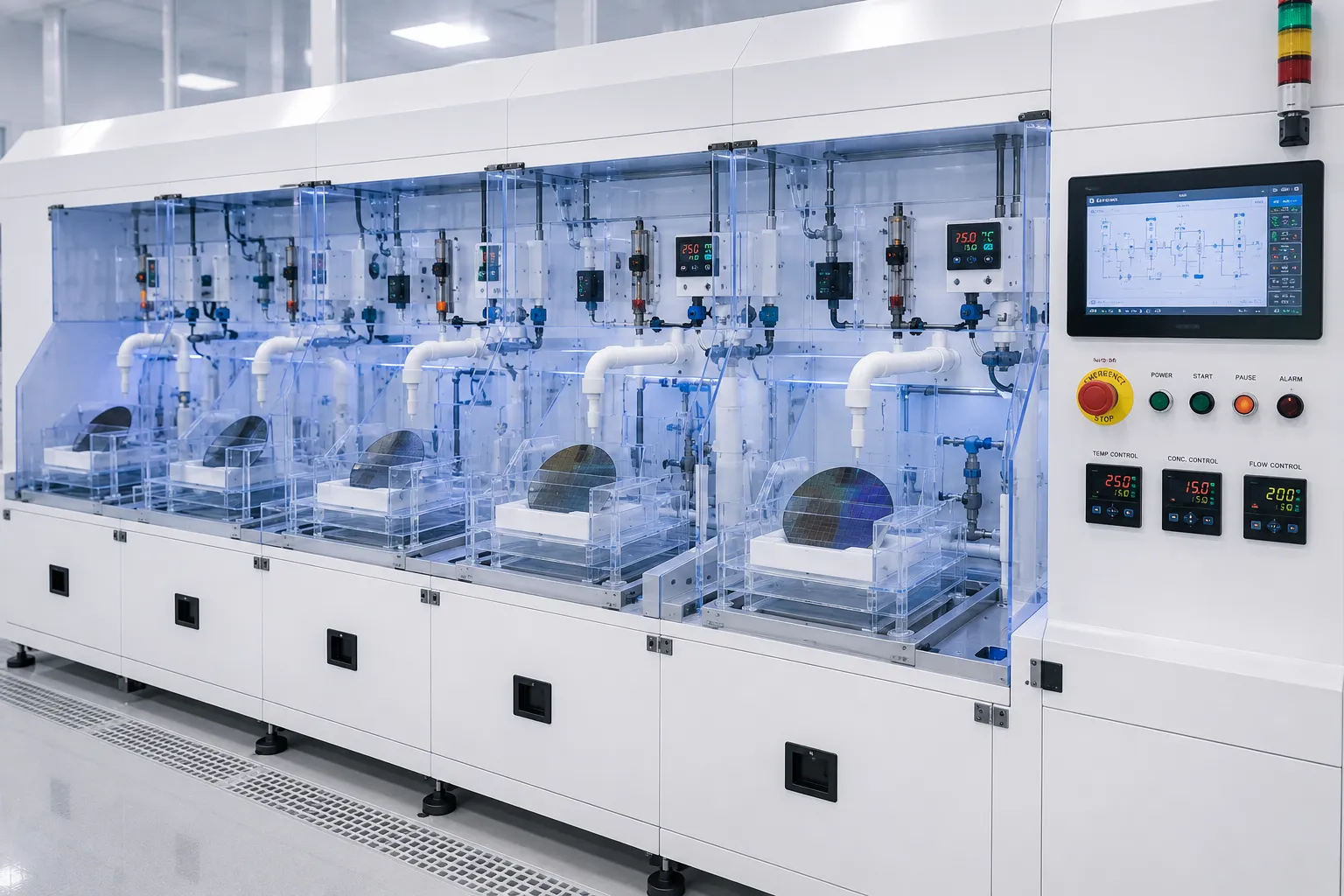
Maintaining tight critical dimension (CD) tolerances during dielectric oxide etching and silicon recession requires continuous fluid conditioning. A high-performance wafer etching bench utilizes real-time chemical dosing, constant bath turnover, and multi-stage temperature control to support tightly controlled etch-rate uniformity across entire wafer batches.
- Precision Thermal Management: Encapsulated fluoropolymer heat exchangers and quartz immersion heating elements maintain chemical bath temperatures within ±0.5°C up to operating limits of 180°C for aggressive thermal etching.
- Recirculating 200 nm Standard Filtration with 100 nm Optimized Capability: Continuous magnetic-drive pumping loops route active etch solutions through PTFE or PFA filter cartridges supporting 200 nm standard filtration and optimized capability down to 100 nm, continuously stripping micro-particulates prior to substrate immersion.
- Real-Time Concentration Monitoring: Integrated refractive index sensors and automated chemical replenishment dosing systems compensate for chemical drag-out and thermal evaporation losses during extended bath lifetimes.
Advanced Drying Technologies for Watermark Reduction & Structural Protection
The final drying phase is crucial for reducing watermarks, ionic staining, and pattern collapse on high-aspect-ratio features. Selecting the appropriate drying technique based on wafer topography, substrate composition, and device density completes the wet process sequence safely and reliably.
Marangoni Vapor Drying Modules
Harnesses surface tension gradients generated by trace Isopropyl Alcohol (IPA) vapor and nitrogen carrier gas to draw water off wafer surfaces without mechanical shear stress. Ideal for high-aspect-ratio trenches and fragile MEMS structures.
Isopropyl Alcohol Vapor Dryer Systems
Sealed-chamber IPA vapor condensation rapidly displaces DI water films, supporting a dry, low-spot substrate surface with minimized ionic residue and watermark defects on bare silicon or compound wafers.
Spin Rinser Dryer Platforms
Combines high-speed centrifugal rotation with heated, ionized nitrogen gas purging for rapid DI water removal. Provides cost-effective, high-throughput drying for planar devices and robust wafer topographies.
Process Application Matrix and Technical Specifications
A comprehensive overview of functional module configurations, target substrates, and primary chemical compatibilities across critical semiconductor manufacturing steps.
| Process Application | Target Substrates | Primary Module Features | Chemical Compatibility | Process Result |
|---|---|---|---|---|
| RCA Chemical Clean | Silicon, Quartz, Sapphire | Megasonic excitation, QDR overflow tanks | NH4OH, H2O2, HCl, HF | 200 nm standard particle & metallic removal, optimized down to 100 nm |
| Precision Dielectric Etch | Silicon, SiC, SiO2 / Si3N4 | Inline 200 nm standard filtration with optimized capability down to 100 nm, ±0.5°C bath heating | HF, BOE, Hot H3PO4 | Uniform etch depth & CD control |
| Photoresist & Organic Strip | Silicon, GaN, MEMS | High-temperature solvent baths, spray manifolds | NMP, DMSO, SPM (H2SO4/H2O2) | Residue-free polymer & organic removal |
| Metal Lift-Off & Clean | GaAs, SiC, Sapphire | High-pressure directional spray, solvent agitation | Acetone, DMSO, Organic Strippers | Complete metal film lift-off & release |
Tailored Processing Solutions for Wide Bandgap Semiconductors
For specialized processes like Silicon Carbide (SiC) and Gallium Nitride (GaN) wide bandgap semiconductors, KOSEN SEMI provides customized ultrasonic and temperature-controlled etching wet bench solutions. Our primary focus is centered on our advanced Engineering Capability, where our technical team designs custom high-purity chemical supply manifolds, reinforced fluoropolymer process tanks, and advanced automation interfaces tailored to your exact cleanroom layout and target yield specifications. Learn more about us and our specialized equipment designs.
Wet Bench Safety Standards & Automated Control Compliance
Managing aggressive chemical media such as hydrofluoric acid (HF), hot phosphoric acid, and volatile organic solvents demands uncompromising safety protocols. Adhering to rigorous wet bench safety standards protects operators, preserves ultra-pure cleanroom air quality, and prevents costly unplanned facility downtime. KOSEN SEMI engineers every wet processing system with full FM4910 compliance, hardwired redundant interlocks, and optimized chemical containment systems to satisfy the most stringent semiconductor fab Environmental, Health, and Safety (EHS) requirements.
Flame-Retardant Materials
Constructed using certified FM4910 compliance plastics including PVDF, PFA, and FRPP to eliminate fire propagation risks and prevent toxic smoke emissions during high-temperature thermal processing.
- FM4910 listed thermoplastics
- High-temperature acid & solvent tolerance
CFD-Optimized Exhaust
Engineered via Computational Fluid Dynamics (CFD) modeling to balance plenum capture velocity, preventing hazardous vapor egress while maintaining cleanroom air balance.
- Airflow differential pressure sensors
- Automated lip exhaust status monitoring
Multi-Redundant Interlocks
Integrated hardware safety relays continually evaluate dual liquid level sensors, double-containment leak detection switches, and Emergency Off (EMO) circuitry for active protection.
- Dual-point liquid level sensing
- Hardwired SIL-rated EMO relay matrix
Automated Robotic Handling
Multi-axis wafer transfer robots feature anti-pinch collision detection, infrared active light curtains, and physical door interlocks to safeguard technicians during high-speed production.
- SEMI S2 and SEMI S8 certified
- Active infrared perimeter light curtains
Comprehensive Semiconductor Equipment Certification
Fab facilities engineering and EHS committees demand third-party verified compliance before approving chemical processing equipment for facility hookup. KOSEN SEMI platforms undergo rigorous independent auditing to ensure full compliance across electrical, mechanical, chemical, and ergonomic safety dimensions, backed by our world-class Engineering Capability.
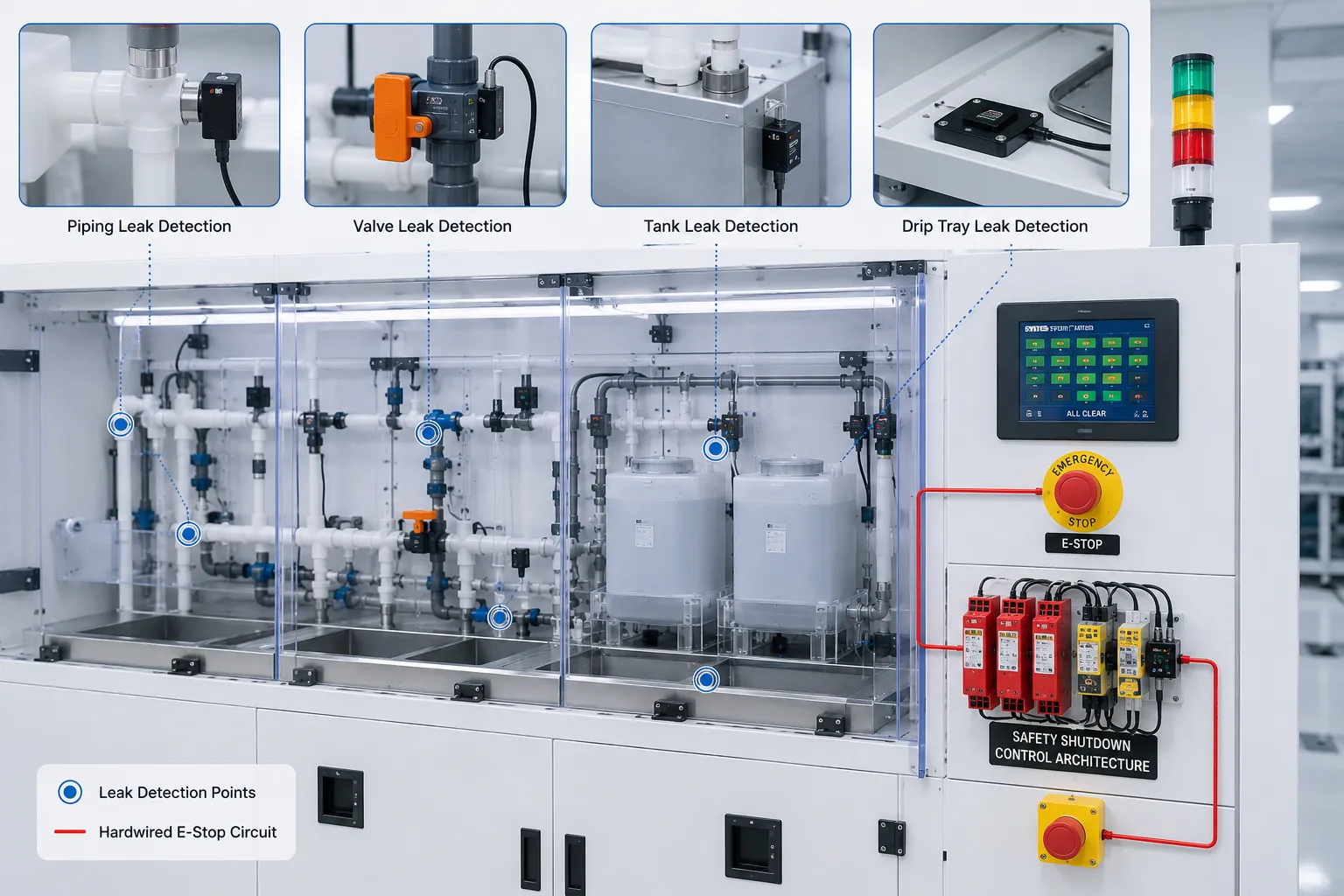
Built-In Safety Systems for Fabs & Research Labs
Every one of our wet process tools strictly follows SEMI S2/S8 standard designs and features built-in multi-redundant safety interlock mechanisms. Learn more about-us to see why semiconductor leaders trust our advanced equipment. From R&D cleanrooms to 24/7 high-volume automated wafer fabrication lines, our wet processing platforms support leak-resistant chemical containment and continuous EHS monitoring.
Configure Your Wet Processing Station
Live Configuration
Real-Time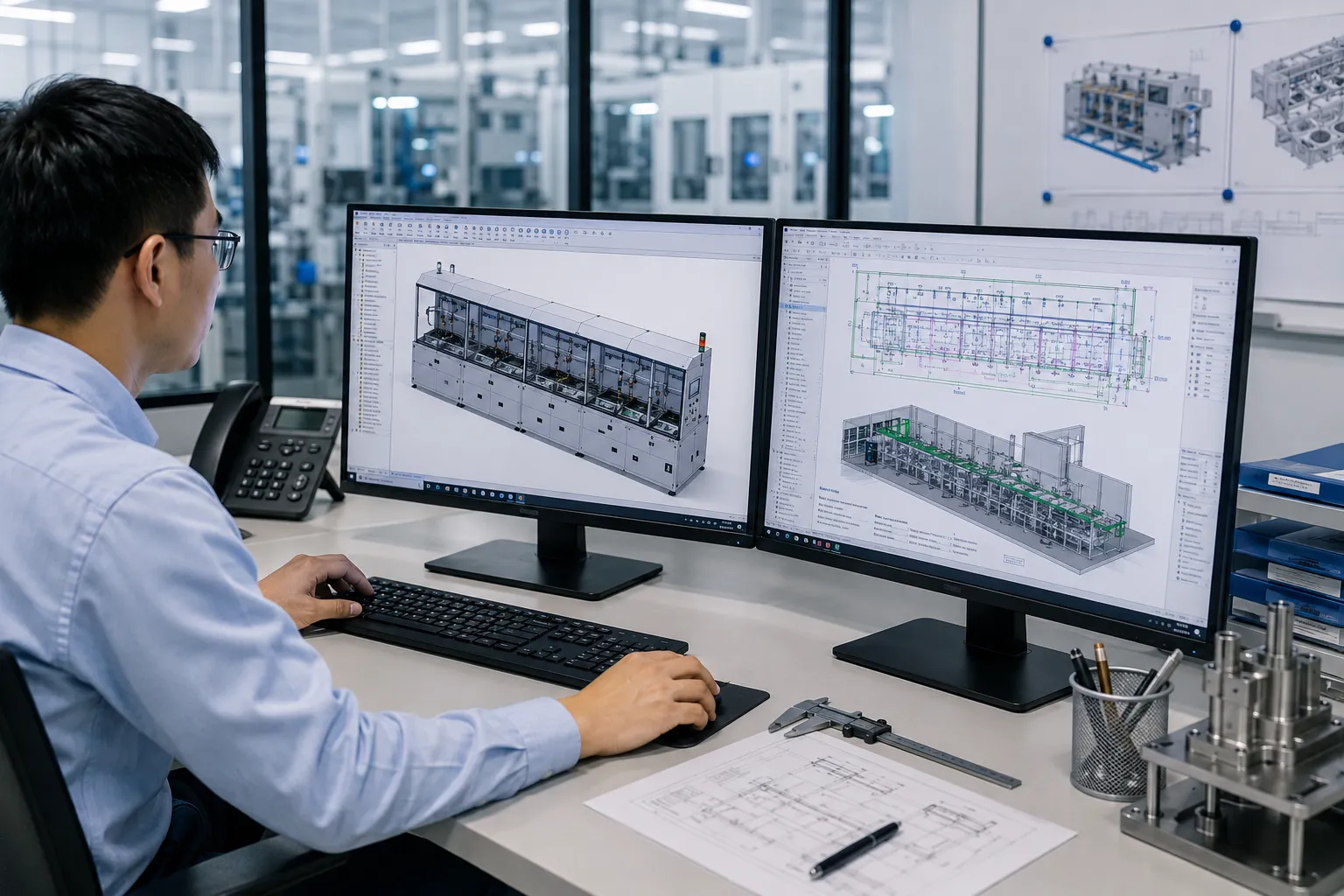
KOSEN SEMI Rapid Engineering Response
Our senior wet process engineers evaluate your specific process constraints and deliver complete 3D layout diagrams and detailed quotations within 24 hours.
Wet Bench Selection and Maintenance FAQ
Expert engineering insights addressing tool retrofits, cleanroom exhaust CFM calculations, aggressive acid chemistry handling, manufacturing lead times, and preventive maintenance protocols for semiconductor wet process tools.
Can a manual wet bench be upgraded to an automated system in the field?
Yes. KOSEN SEMI engineers wet process platforms using a modular frame architecture with pre-engineered structural mountings, expandable cabinet footprints, and integrated wiring buses designed specifically for future field retrofits.
This flexible architecture enables cleanroom engineers to integrate pneumatic wafer hoists, multi-axis robotic handlers, SECS/GEM automation cards, and precision chemical spiked-dosing units directly onto existing equipment without major structural rework.
By retaining the underlying FM4910 plastic cabinet and high-purity process tank configuration, fabs and R&D laboratories can transition seamlessly from manual operations to semi-automated or fully automated volume production. For specialized batch processing, explore our advanced wafer-cleaning-systems. This evolutionary tool migration protects initial capital investments, minimizes cleanroom downtime, and significantly reduces total cost of ownership (TCO).
How do facility engineers calculate wet bench exhaust CFM for cleanroom compliance?
Accurately sizing exhaust airflows balances chemical vapor containment with cleanroom air conditioning costs. Exhaust CFM calculations rely on total open sash area, bath operating temperatures, chemical vapor pressure, and ambient cleanroom airflow velocities.
KOSEN SEMI utilizes Computational Fluid Dynamics (CFD) modeling to optimize internal airflow patterns and reduce overall exhaust volume demands. Industry guidelines mandate maintaining a sash face velocity of 100 to 120 linear feet per minute (LFM) across open working areas.
- Lip Exhaust Slots: Milled along the perimeter of heated acid and solvent baths to capture fumes immediately at the liquid surface.
- Rear Plenum Baffles: Ensure uniform backdraft face velocity across the entire length of the processing deck.
- Differential Pressure Interlocks: Integrated airflow sensors continuously monitor static pressure, linking with SEMI S2 safety interlocks to halt process sequences if exhaust drops below threshold levels.
Which piping and pump materials are recommended for mixed HF and Nitric Acid solutions?
Concentrated mixtures of Hydrofluoric Acid (HF) and Nitric Acid present extreme chemical oxidation and etching risks that rapidly degrade standard stainless steel, quartz, and lower-grade polymers.
For complete corrosion immunity and ultra-low trace-metal leaching, all wetted fluid lines must utilize virgin PFA (Perfluoroalkoxy) and PTFE (Polytetrafluoroethylene) tubing, fittings, and manifolds. Recirculation and chemical filtration loops employ magnetically coupled, seal-less pumps featuring virgin PFA pump bodies with ceramic or sapphire shafts to prevent mechanical seal failures.
Critical chemical delivery runs incorporate dual-containment PFA piping equipped with continuous optical leak detection sensors tied directly to the main EMO system, ensuring complete environmental, health, and safety (EHS) compliance.
What is the standard lead time for custom wet bench manufacturing and FAT qualification?
Manufacturing lead times for specialized semiconductor wet process tools typically range from 12 to 20 weeks, depending on automation complexity, bath count, and custom process integration requirements.
KOSEN SEMI provides weekly milestone tracking reports throughout every manufacturing stage, ensuring transparent communication and predictable installation schedules.
What preventive maintenance schedules and tank replacement lifespans should be expected?
Maintaining high uptime and stable wafer yields requires a disciplined preventive maintenance (PM) protocol. Daily checks focus on verifying optical leak sensors, exhaust differential pressure gauges, and bath temperature stability.
For single-substrate processing needs, our Single Wafer Cleaning Systems provide optimized chemical delivery and simplified maintenance routines. Monthly maintenance involves calibrating inline chemical concentration monitors, testing automated drain valves, and verifying safety light curtain response. Quarterly protocols cover replacing inline chemical filters, checking pneumatic actuators, and testing pump seals.
Tank replacement intervals depend on thermal exposure and chemical concentration. High-purity quartz tanks subjected to rapid thermal cycling require structural inspection every 12 to 18 months. In contrast, virgin PFA and PVDF tanks routinely provide 5 to 7 years of continuous service under standard operating conditions.
Engineering Support & Process Advisory
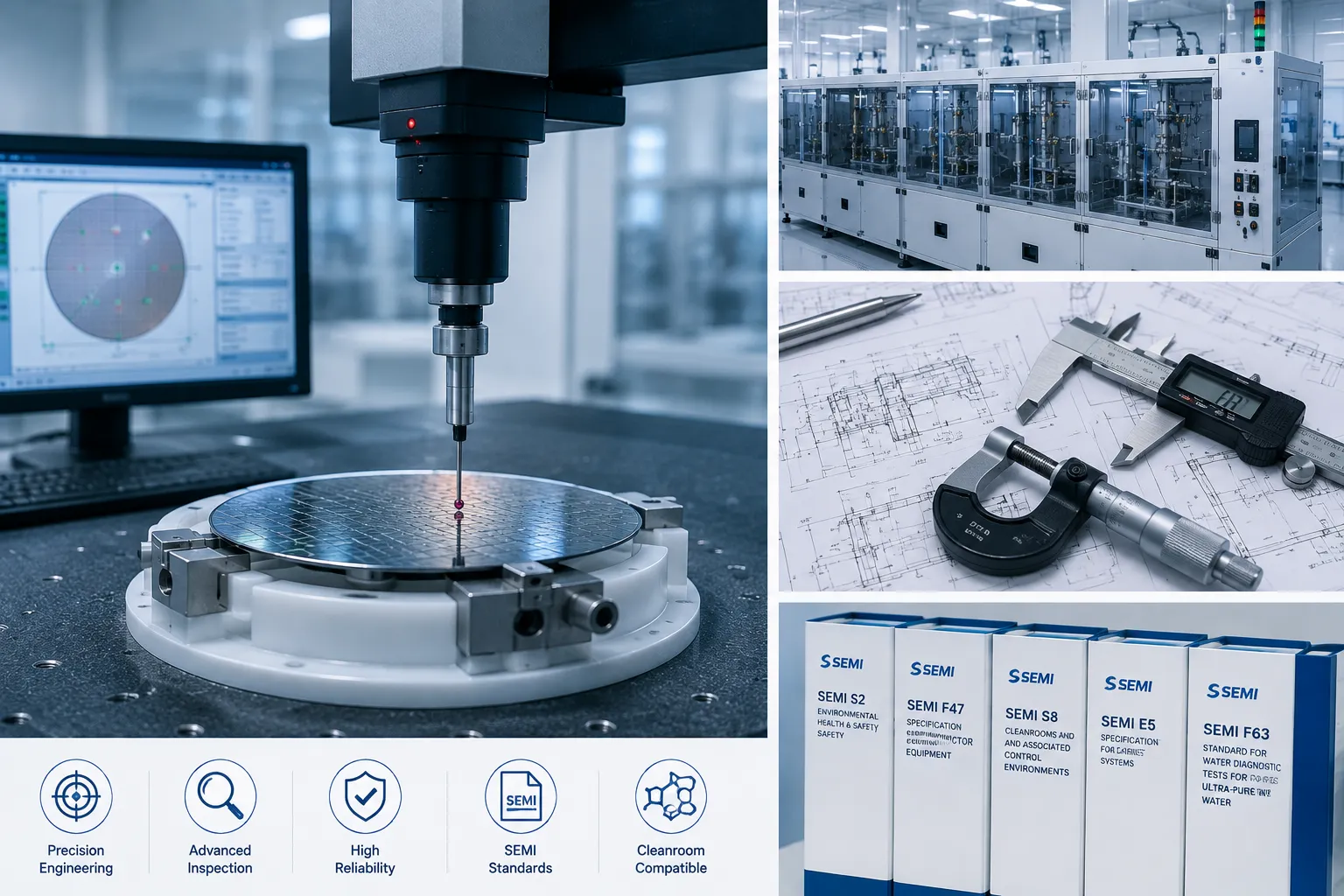
KOSEN SEMI delivers full-lifecycle engineering services, including chemical compatibility assessments, custom 3D layout integration, Factory Acceptance Testing (FAT), Site Acceptance Testing (SAT), and ongoing technical support.