Formula details
Product Details
Overview
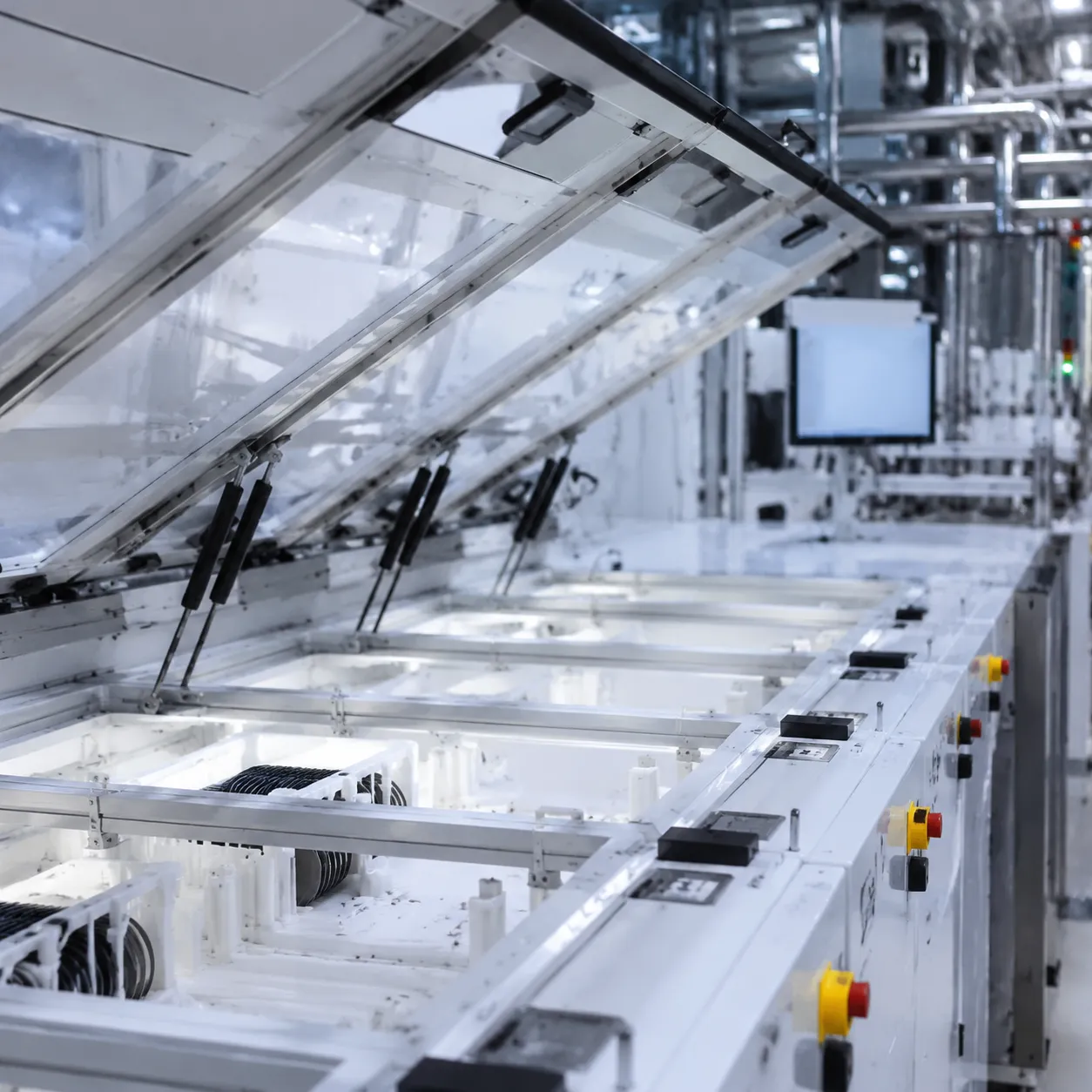
Automated Wet Bench: Yield-Driven Overview
Manual station variability and particle defects directly degrade semiconductor yield.
Key Performance & Yield Benefits
| Processing Pillar | Technical Capability | Cleanroom Yield Impact |
|---|---|---|
| Robotic Repeatability | Programmable 3-axis cartesian robotics | Eliminates manual handling variability and wafer breakage |
| Contamination Control | Enclosed wet processing modules with optimized fluidics | Delivers 200 nm standard particle removal (sub-100 nm optimized) |
| Dry-to-Dry Efficiency | Integrated batch transfers, QDRs, and advanced dryers | Prevents surface water marks and eliminates intermediate transfer steps |
| Chemical Optimization | 0.005 µm point-of-use filtration & continuous spiked dosing | Reduces chemical replacement frequency by up to 30% |
Core Automated Wet Bench Features
-
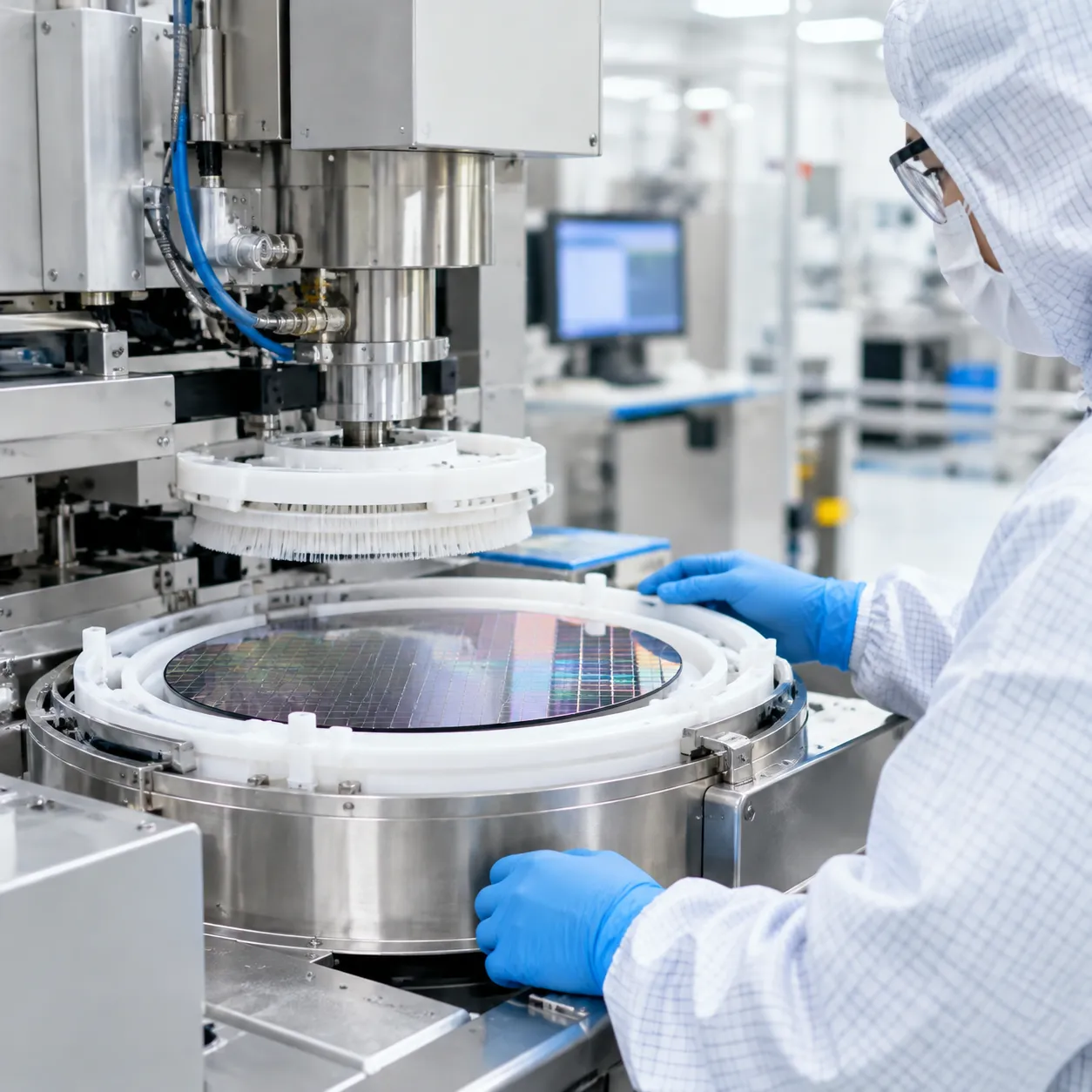
- Automated Process Repeatability: Direct replacement of manual wet stations with precision robotic wet bench transfer mechanisms. Smooth, programmable multi-axis motion curves prevent fluid cross-contamination and splash-back.
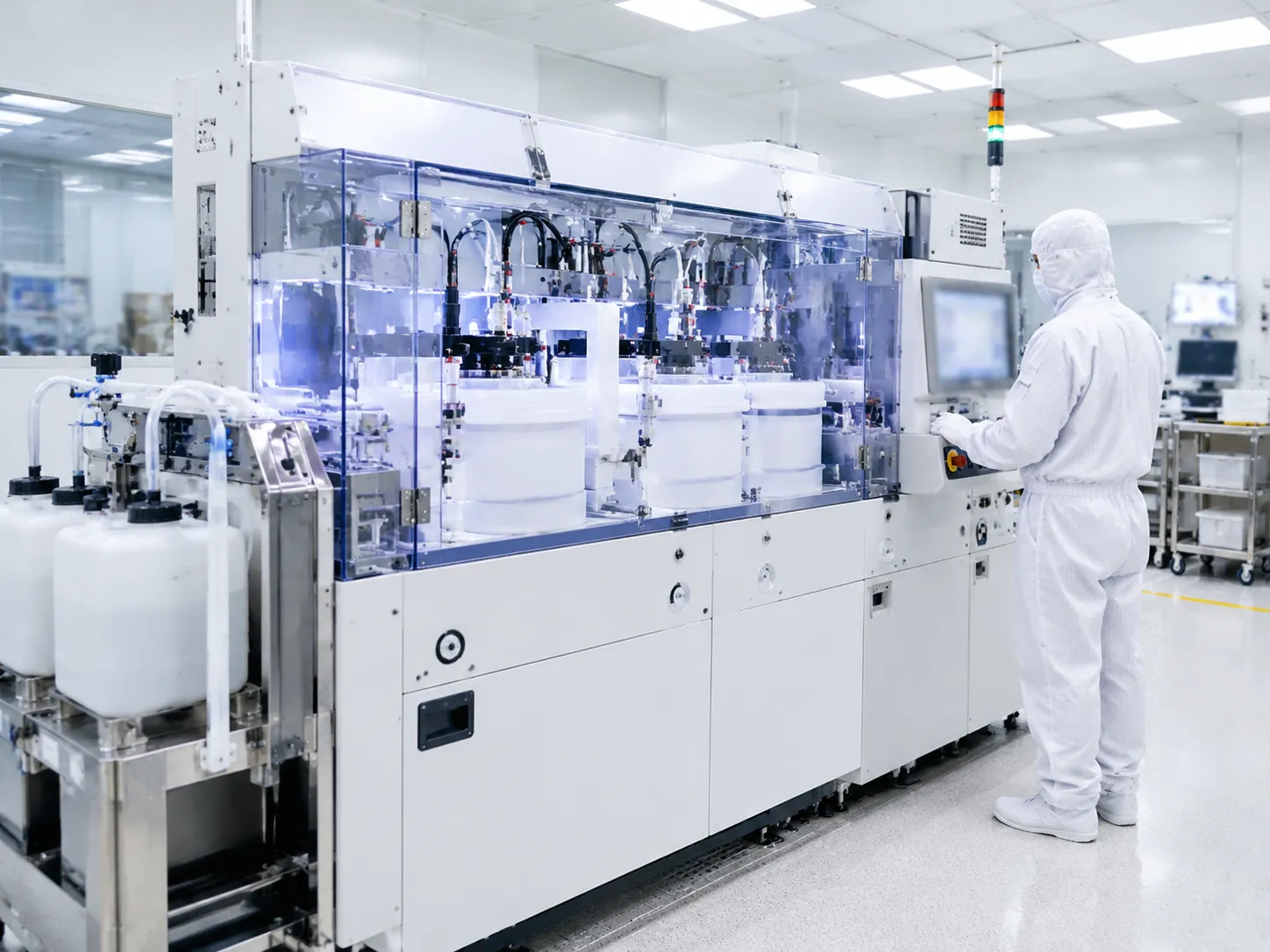
- Particle Reduction & Contamination Control: Advanced fluid dynamics maintain laminar fluid delivery across the bath. Enclosed process chambers protect wafers from ambient air particulate contamination during wet etching and cleaning cycles.
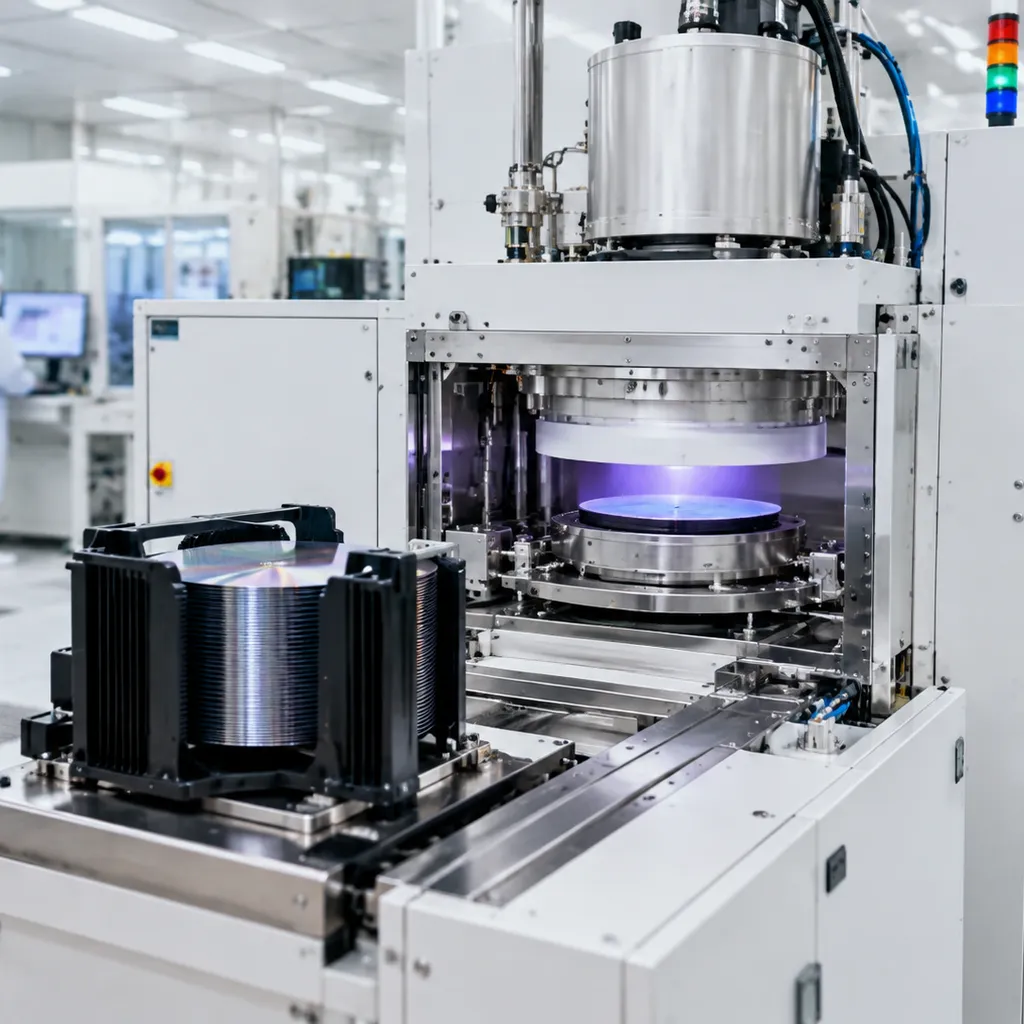
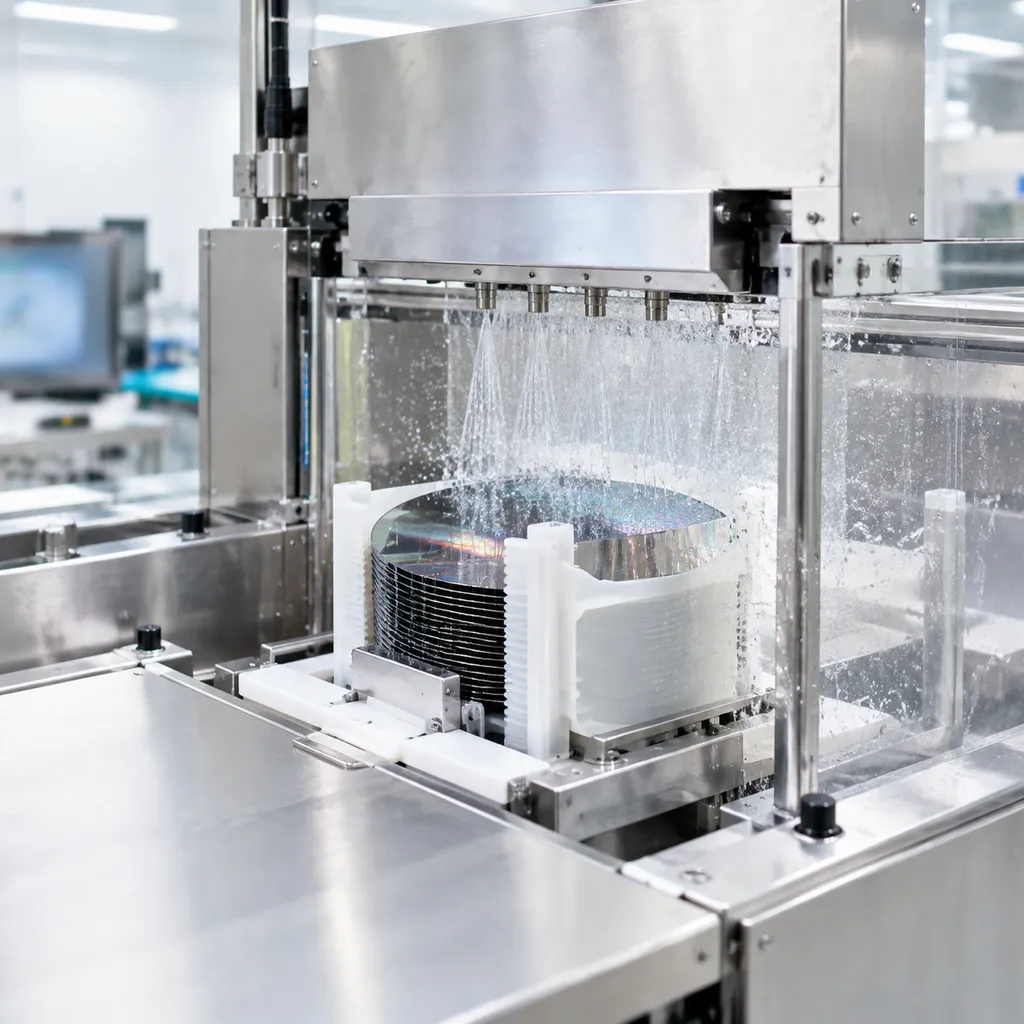
- Integrated Dry-to-Dry Wafer Processing System: Combines chemical bath immersion, Quick-Dump Rinsers (QDR), and Marangoni, Surface Tension Gradient (STG), or IPA Vapor dryers into a single automated sequence.
- Closed-Loop Chemical Management: Continuous inline micro-filtration down to 0.005 µm paired with spiked chemical dosing maintains bath chemical activity, significantly extending bath life and lowering total cost of ownership.
Automated Wet Bench Technical Specifications
We build our automated wet bench systems to deliver rigid process control, strict contamination isolation, and high throughput across modern cleanrooms, standing as reliable high-precision wet benches for semiconductor processing.
| Specification Parameter | Engineering Configuration & Capability |
|---|---|
| Substrate Diameter | 150 mm (6"), 200 mm (8"), 300 mm (12") |
| Substrate Compatibility | Silicon (Si), Silicon Carbide (SiC), Gallium Nitride (GaN), Quartz, Glass |
| Automation Architecture | Fully automated linear / 3-axis cartesian robotic transfer |
| Dosing Accuracy | ±0.1% volumetric concentration precision via closed-loop sensor feed |
| Throughput Capacity | Up to 120 WPH (Single-wafer) / Up to 300 WPH (Batch immersion) |
| Particle Performance | ≥ 200 nm standard; ≥ 100 nm yield-optimized profile |
| Filtration Rating | Down to 0.005 µm high-purity PTFE membrane filters |
| Construction Materials | Flame-retardant Polypropylene (FM4910), PVDF, PFA/PTFE, Quartz, Stainless Steel |
| Safety Certifications | SEMI S2, SEMI S8, CE Marked, ISO 9001, ISO 14001 |
| Software Interface | SECS/GEM (SEMI E4, E37, E30), SCADA-based PLC controls |
Core Equipment Architecture
-
- Precision Chemical Control: Closed-loop sensor feedback maintains ±0.1% volumetric concentration precision to prevent bath degradation over continuous production cycles.
- Advanced Particle Filtration: High-purity PTFE membrane filtration down to 0.005 µm delivers defect-free surfaces, meeting strict yield targets for high-volume semiconductor wet processing systems for 300mm wafers.
- Industrial Safety Construction: Structural cabinetry utilizes FM4910 fire-retardant polypropylene paired with double-contained PFA/PTFE fluidic paths to ensure total chemical containment and operator safety.
- Smart Fab Integration: Built-in SECS/GEM protocol compliance allows immediate integration with your facility's MES for real-time data acquisition, lot tracking, and automated recipe control.
Wet Chemical Process Capabilities
Acid Etching & Surface Preparation
Our automated chemical etching station designs ensure uniform material removal and bath stability:
Silicon Oxide Etching: Precise temperature-controlled Buffered Oxide Etch (BOE) and Diluted Hydrofluoric Acid (DHF) bath processing maintain exact critical dimension (CD) control.
MEMS Anisotropic Etching: Dedicated Potassium Hydroxide (KOH) immersion baths deliver continuous concentration monitoring for high-aspect-ratio silicon structural etching.
Wafer Cleaning & Contamination Removal
Achieving pristine substrate surfaces requires optimized fluid dynamics and targeted chemical agitation:
Organic Residue Removal: Standard Clean 1 (SC1 / APM) solutions strip surface organics and fine particulate contamination.
Metallic Extraction: Standard Clean 2 (SC2 / HPM) chemistries target and remove traces of heavy metal and alkali ions.
Ultrasonic & Megasonic RCA Sequences: Complete RCA cleaning systems leverage high-frequency megasonic energy to dislodge sub-100 nm particles without damaging sensitive surface features.
Photoresist & Organic Residue Stripping
High-temperature stripping modules handle aggressive chemical reactions while protecting delicate layers:
High-Temperature SPM / Piranha Clean: Exothermic Sulfuric Peroxide Mixture (SPM) processing strips cross-linked organic photoresist efficiently at elevated temperatures.
Solvent Residue Removal: Dedicated solvent stations clear post-dry-etch sidewall polymers and organic residues without causing underlying metal line corrosion.
Advanced Robotics & Automation Architecture
We engineer our automated wet bench platforms with high-precision motion controls and predictive software to maximize fab yield and eliminate human variability.
-
- Programmable Multi-Axis Robotic Transfer: Closed-loop, servo-driven robotics execute precise acceleration and deceleration profiles. This fluid motion eliminates chemical splash-back and prevents cross-contamination during high-speed batch transfers between processing tanks.
- Look-Ahead Multi-Lot Scheduling: Built-in scheduling algorithms continuously optimize bath dwell times and tank utilization. The system manages multiple parallel wafer lots simultaneously without recipe collisions or out-of-spec chemical exposure.
- Integrated Drying Mechanisms: Systems feature Marangoni Surface Tension Gradient (STG) dryers for mark-free substrate drying, alongside ATOMO IPA Vapor dryers built for high-aspect-ratio MEMS structures within our wafer cleaning systems.
- Cassette & Cassette-Less Wafer Handling: Modular end-effectors support standard fluoropolymer cassettes and direct cassette-less wafer boat processing. Review our semiconductor wet bench design and specification guide to select the right substrate handling setup for your cleanroom layout.
Cleanroom Construction, Materials & Operator Safety
We engineer every automated wet bench with safety-first principles, combining chemical compatibility with cleanroom protection.
Corrosion-Resistant FM4910 Cabinetry
-
- FM4910 Polypropylene: Cabinets built with flame-retardant polypropylene engineered specifically for aggressive acid and base processing.
- Chemical Resistance: Non-porous materials resist structural degradation and eliminate contamination risks in wet process stations.
Solvent-Safe Stainless Steel Enclosures
-
- Electropolished 316L: Heavy-duty electropolished 316L stainless steel configurations dedicated to high-purity solvent processing.
- Nitrogen Inerting: Sealed solvent compartments equipped with active N2 purge systems to maintain a safe, non-flammable operating environment.
Dual-Containment Fluidics & Leak Detection
-
- Double-Walled PFA/PTFE: Continuous high-purity PFA and PTFE tubing encased inside protective double-walled containment sleeves.
- Optical Sensors: Real-time point-of-use optical leak detectors trigger instant chemical containment alerts.
SEMI-Certified Interlocks & Fire Suppression
-
- SEMI S2 / S8 Standard: Full compliance with global cleanroom ergonomic and environmental safety guidelines across our automated wet bench systems.
- Active Protection: Integrated fire suppression mechanisms, continuous exhaust control, and interlocked cabinet doors ensure complete operator safety.
Smart Fab Integration & SECS/GEM Automation
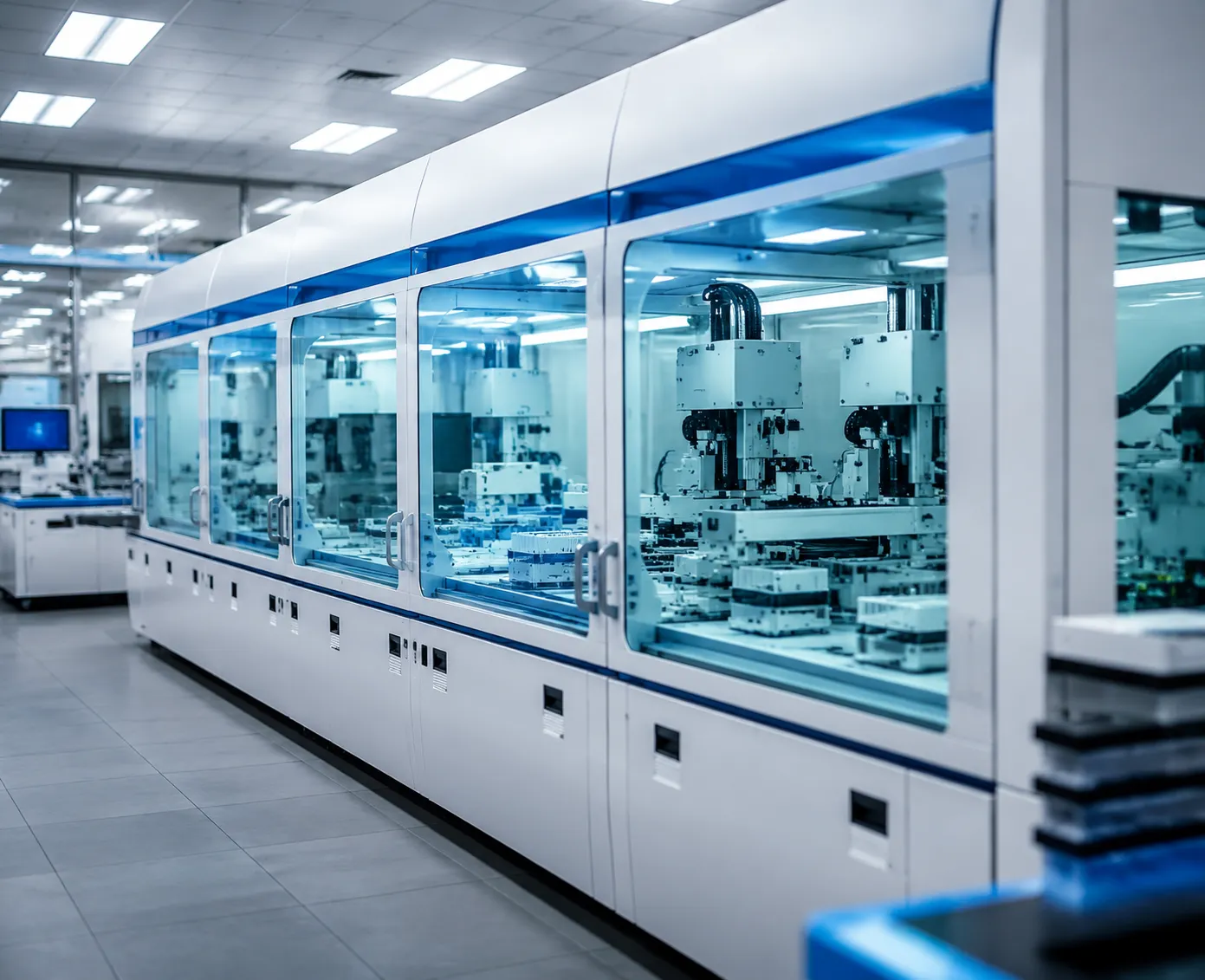
We design every automated wet bench for immediate plug-and-play connectivity with your Manufacturing Execution System (MES). Achieving high-yield, lights-out manufacturing demands reliable equipment integration and continuous process data streams.
| Integration Module | Core Technical Capability | Operational Benefit |
|---|---|---|
| SECS/GEM Compliance | SEMI E4, E37, and E30 protocol implementation | Enables remote recipe loading, track-and-trace lot handling, and zero-operator error. |
| SCADA Telemetry | High-frequency logging of temperature, concentrations, and robot speed | Provides real-time process monitoring to stop parameter drift before yield degrades. |
| Yield Analytics | Historical data collection and automated alerts | Accelerates root-cause failure analysis and enables predictive maintenance. |
Complete Process Control & Traceability
Our SECS/GEM compliant wet bench platforms combine robust software drivers with advanced hardware monitoring to secure your fab's operational efficiency:
-
- Direct Host Handshakes: Execute automated recipe downloads, validation checks, and lot state transitions through standard SEMI E4 (SECS-I), E37 (HSMS), and E30 (GEM) interfaces.
- Real-Time Data Acquisition: Leverage our automation control system to continuously track chemical bath temperature curves, concentration variations, filter differential pressure shifts, and robotic transfer speeds.
- Actionable Yield Analytics: Save detailed historical logs for every processed lot to instantly isolate yield excursions, optimize process windows, and trigger preventive maintenance alerts before tool downtime occurs.
Targeted Applications for Automated Wet Bench Systems
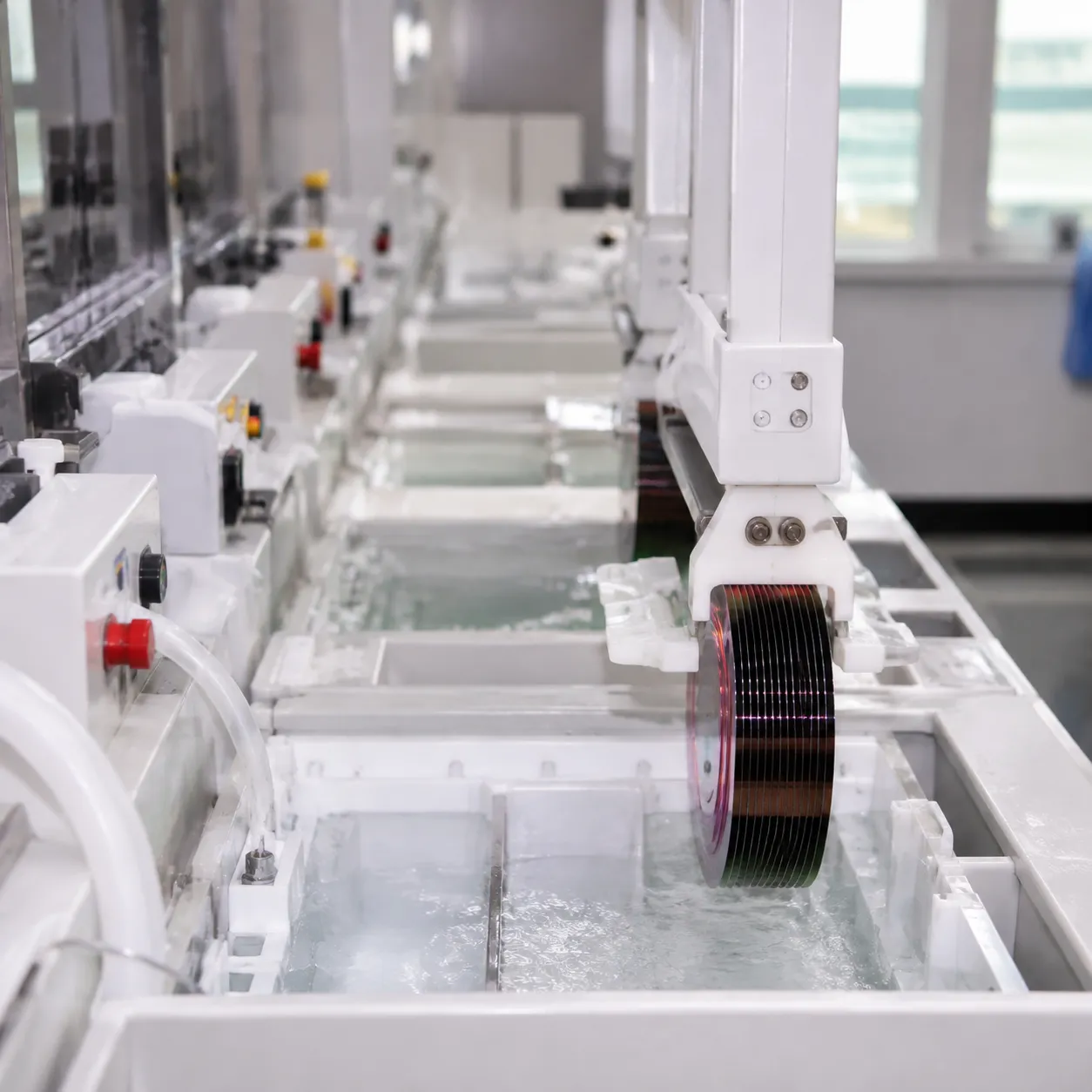
Integrated Circuit (IC) Manufacturing
-
- Front-End-of-Line (FEOL): Ultra-clean chemical treatments for pre-gate oxidation cleans, removing metallic traces and organic contaminants to protect gate oxide integrity.
- Back-End-of-Line (BEOL): Controlled metal etching and post-etch residue removal built specifically for high-volume semiconductor manufacturing lines.
Compound Semiconductors (SiC & GaN)
-
- Surface Preparation: High-purity chemical surface preparation optimized for wide-bandgap power electronics and high-frequency RF devices.
- Defect Etching & Planarization: Anisotropic defect etching and planarization washes engineered to minimize crystal lattice defects on SiC and GaN wafers.
Advanced Semiconductor Packaging
-
- High-Aspect-Ratio TSV Clean: Deep clean routines for Through-Silicon Vias (TSV) and micro-bump surfaces prior to bonding.
- Fan-Out & Panel Processing: Uniform chemical processing and stiction-free drying integrated into modern advanced semiconductor packaging workflows.
MEMS & Microfluidics
-
- Anisotropic Structural Etching: Precise silicon oxide and bulk silicon etching using KOH or TMAH chemistry for MEMS sensor structures.
- Sacrificial Release & Stiction-Free Drying: Damage-free sacrificial layer removal paired with surface tension gradient drying to eliminate micro-structure stiction.
The KOSEN SEMI Strategic Advantage
At KOSEN SEMI, we engineer every automated wet bench to meet your exact fab requirements, combining rapid delivery schedules with proven field reliability.
| Strategic Pillar | Capability & Technical Support |
|---|---|
| Rapid OEM/ODM Customization | Complete custom CAD structural modeling and bench layout engineering delivered in under 4 weeks. |
| Proven Field Reliability | Over 500 wet processing tools installed globally across commercial fabs, pilot lines, and university cleanrooms. |
| 24/7 Global Technical Support | Dedicated field service engineers providing continuous process optimization, remote diagnostics, and rapid spare-part dispatch. |
-
- Flexible Tool Configuration: We tailor fluidics, robotics, and safety enclosures to your specific cleanroom footprint through our specialized custom semiconductor equipment engineering platform.
- Seamless Installation: We ensure rapid tool qualification and minimal commissioning downtime. Explore our documented wet bench installation case studies to see how we help semiconductor facilities accelerate yield ramp-up.
Frequently Asked Questions
What is the standard lead time for a custom-engineered automated wet bench from KOSEN SEMI?
Our standard lead time for a custom-engineered automated wet bench ranges from 12 to 16 weeks, depending on tool footprint, bath configuration, and automation requirements. We fast-track project kick-offs by delivering full custom 3D CAD modeling and wet bench layout engineering within 4 weeks.
How does the automated wet bench maintain particle performance down to 100 nm?
We achieve sub-100 nm particle removal efficiency through a multi-tiered yield protection approach:
Point-of-Use Filtration: Continuous closed-loop micro-filtration down to 0.005 µm using high-purity PTFE membranes.
Mark-Free Surface Drying: Integrated Marangoni and ATOMO IPA vapor dryers eliminate liquid surface tension to prevent drying marks and particle re-deposition.
Controlled Robotics: Servo-driven 3-axis cartesian transfer provides smooth acceleration/deceleration profiles to eliminate bath splash-back and fluid cross-contamination.
Can KOSEN SEMI wet benches integrate into our existing MES factory automation?
Yes. Every automated wet bench we build comes with built-in SECS/GEM (SEMI E4, E37, E30) protocol compliance. Our SCADA-based PLC controls enable direct, real-time handshakes with your MES for remote recipe downloading, automated lot tracking, bath condition monitoring, and comprehensive yield analytics logging.
What safety certifications do KOSEN SEMI wet processing systems carry?
We design every tool to pass strict cleanroom safety benchmarks before factory release:
Global Standards Compliance: SEMI S2 (Environment, Health, and Safety), SEMI S8 (Ergonomics), CE Marking, ISO 9001, and ISO 14001.
Fire & Chemical Resistance: FM4910 flame-retardant polypropylene cabinetry for acid processing, and electropolished 316L stainless steel with nitrogen inerting for solvent applications.
Active Hazard Containment: Double-walled fluidic tubing, point-of-use optical leak sensors, automatic fire suppression, and direct interfacing with facility chemical exhaust scrubbers to ensure complete operator protection.