Formula details
Product Details
Overview
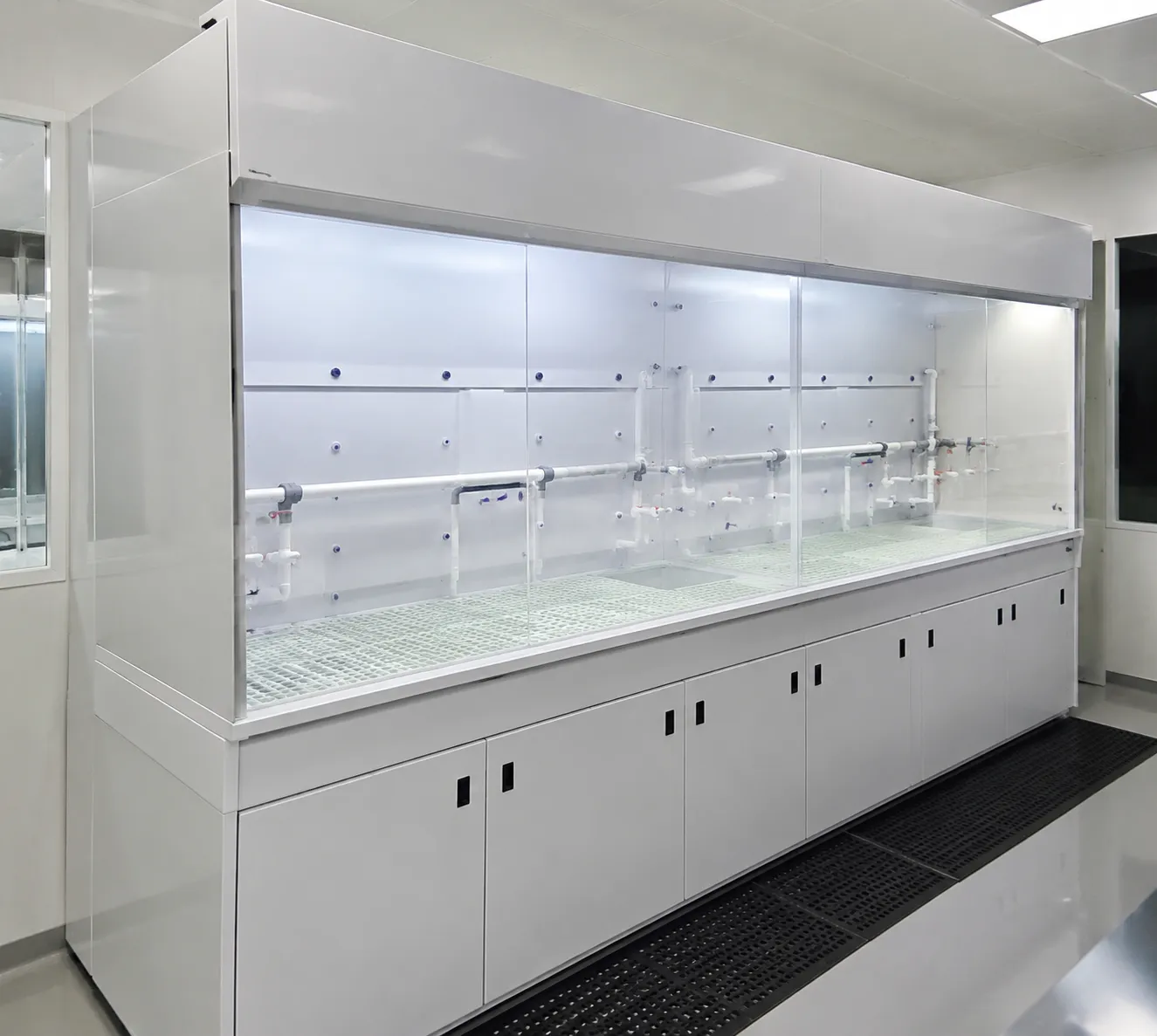
Standalone Wet Process Bench Overview
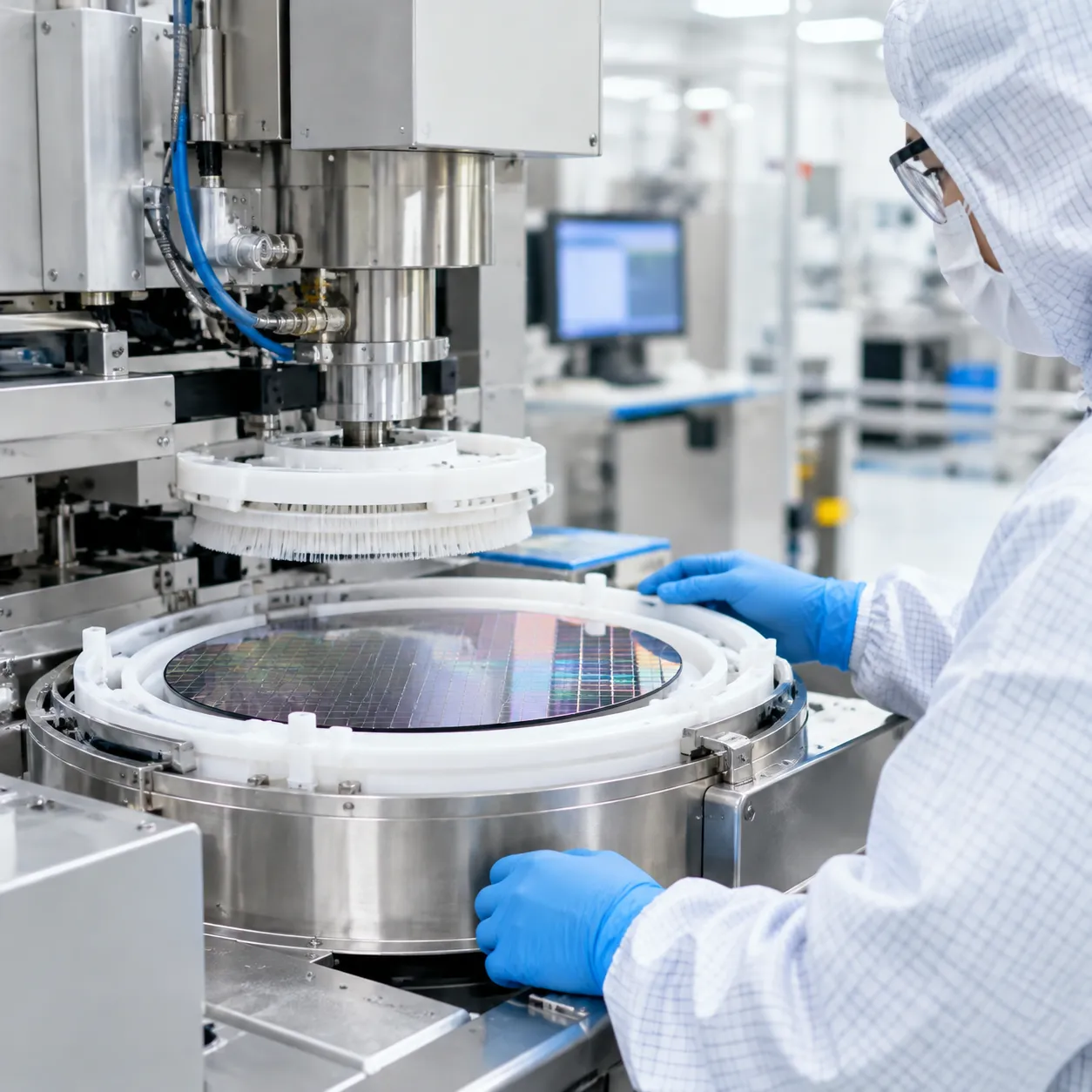
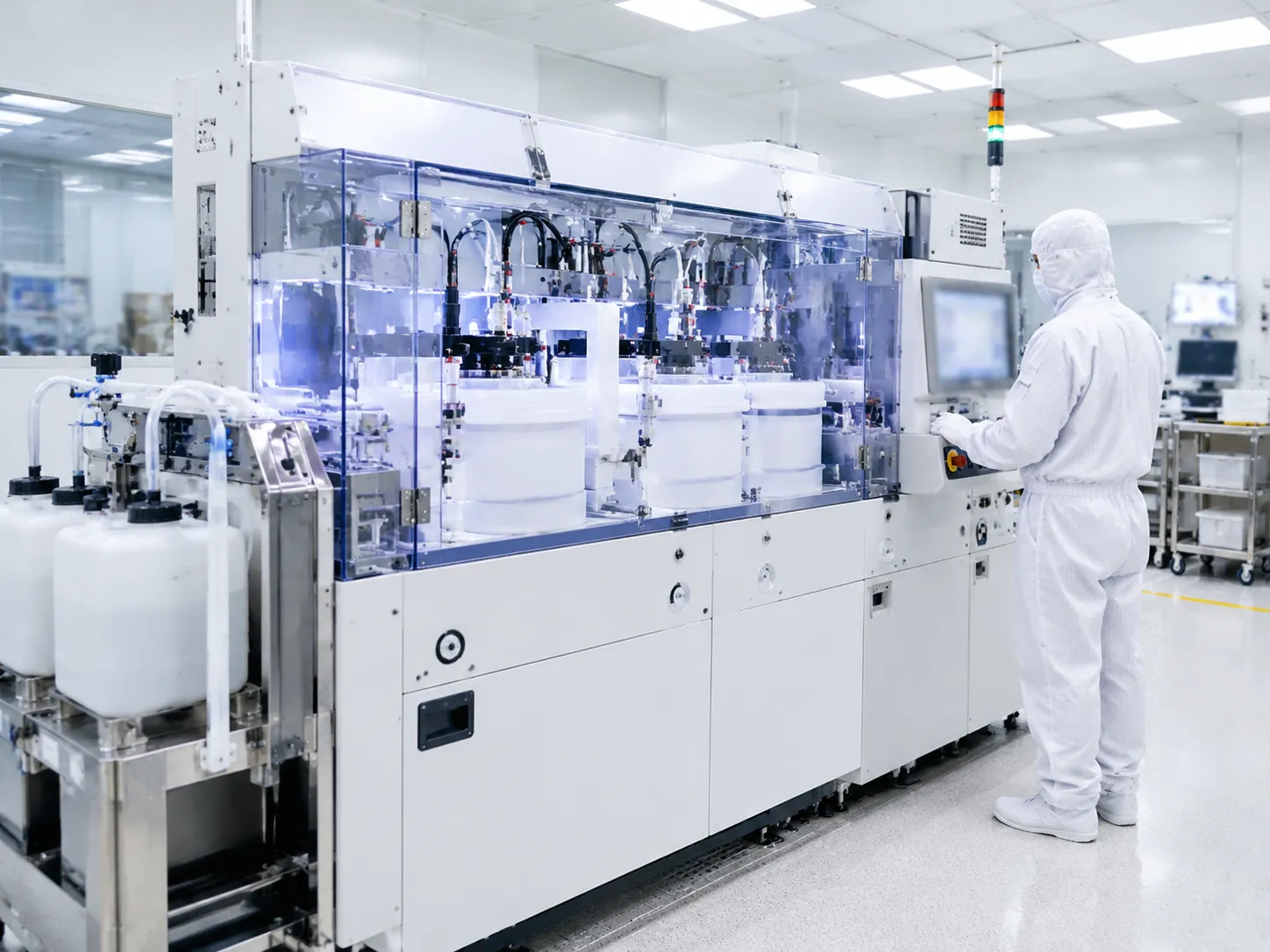
We engineer our standalone wet process bench platform to deliver sub-200 nm particle performance alongside turnkey chemical safety containment for critical wafer fabrication steps. Designed for flexible integration, this semiconductor wet station solves strict defect-density challenges while maximizing uptime across R&D facilities and high-volume manufacturing lines.
Platform Positioning & Configurations
We build our wafer wet processing system architectures in three distinct operational models to align with your production requirements:
-
- Manual Wet Process Station: Features intuitive touchscreen controls and ergonomic bath layouts designed for high-mix, low-volume pilot production and laboratory R&D.
- Semi-Automated Wet Bench: Integrates programmable pneumatic or servo transfer mechanisms to standardize bath dwell times and eliminate operator exposure to hazardous chemicals.
- Modular Standalone Wet Bench: Utilizes a scalable footprint that allows rapid field upgrades and module expansions as process needs evolve.
Key Technical Specifications
| Parameter | Performance & Compliance Standard |
|---|---|
| Substrate Sizes | 150 mm (6"), 200 mm (8"), and 300 mm (12") wafers |
| Particle Control | Sub-200 nm defect reduction performance |
| Cleanroom Rating | ISO Class 5 to ISO Class 7 compatibility |
| Safety Certifications | Fully compliant with SEMI S2 (EHS) and SEMI S8 (Ergonomics) |
| Enclosure Construction | Chemical-resistant FM4910 plastic or electropolished stainless steel |
Technical Specifications & Material Engineering
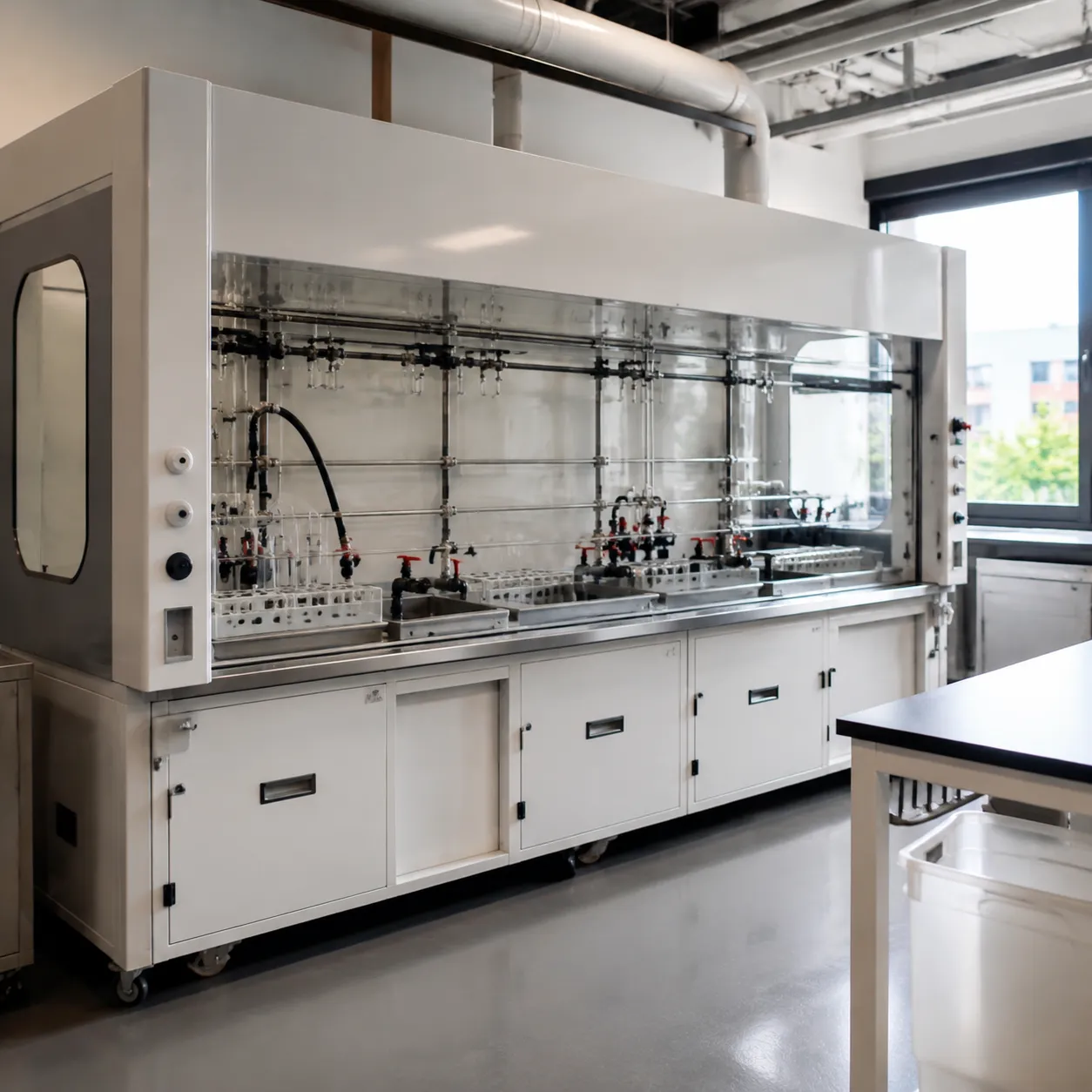
We construct every standalone wet process bench using high-purity, chemically inert materials tailored to specific process chemistries. Review our complete semiconductor wet bench design and specification guide to evaluate structural options for your fab layout.
Material Selection Matrix
| Material | Target Application | Key Benefits |
|---|---|---|
| Polypropylene (PP) | General acid & base processing (HCl, HF, KOH) | Excellent chemical compatibility, stress-crack resistant, clean welds |
| PVDF | High-temperature acids, organic solvents | Superior thermal stability, ultra-low leachables, flame retardant |
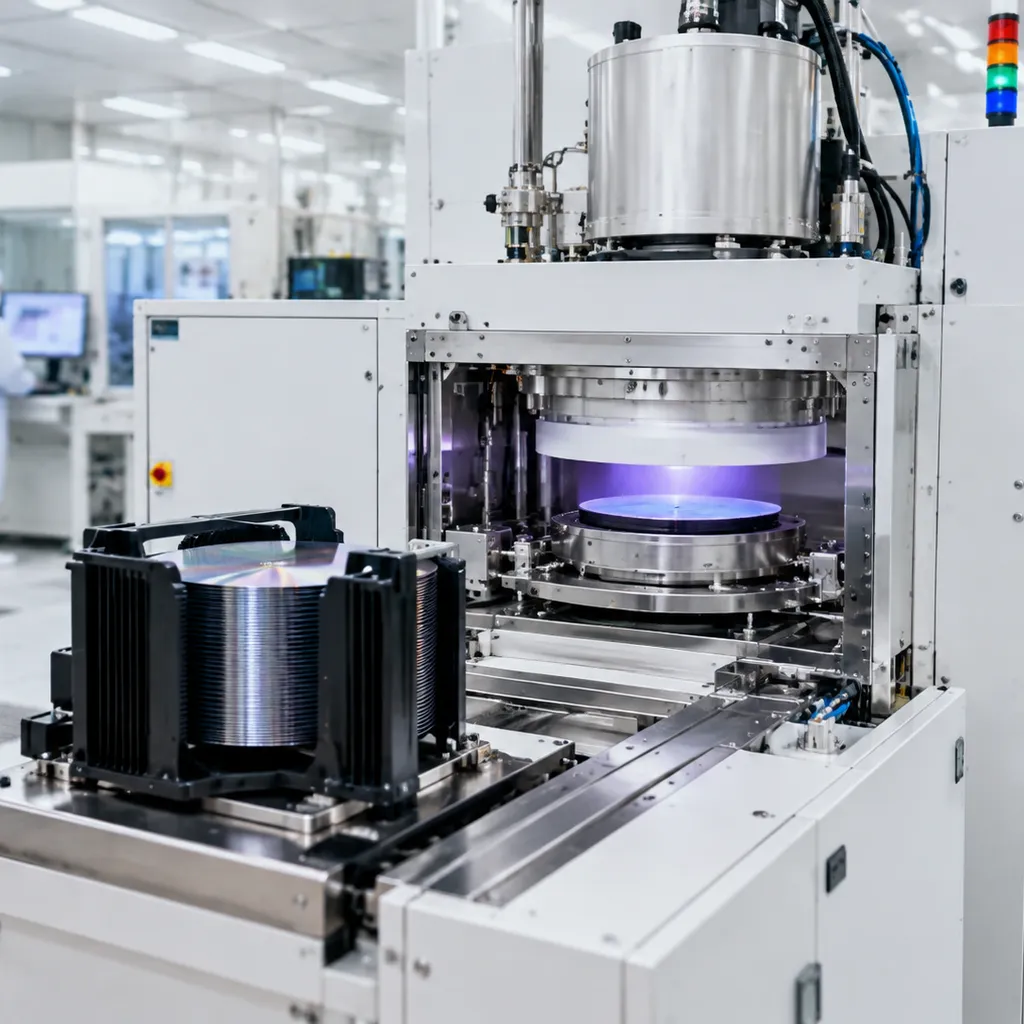
| Quartz | High-temp acid baths (Hot Phosphoric, SPM) | Extreme thermal shock tolerance, zero metallic contamination |
| Electropolished 316L SS | Solvents & flammable chemistries | Fully grounded, fire-safe, particle-free interior finish |
Fluidics & Contamination Control
Our fluidic systems isolate process reagents to protect wafer yield and deliver repeatable chemical bath performance:
-
- 0.005 µm PTFE Filtration: Continuous point-of-use recirculating membrane filters eliminate sub-micron particles before they reach the substrate.
- Tight Concentration Control: Volumetric chemical concentration control maintains target bath ratios accurate within ±0.05% to ±0.1%.
- Automated Chemical Spiking: Real-time fluid monitoring automatically injects chemical spikes to extend bath life and stabilize etch rates via our integrated chemical process management architecture.
Safety Architecture and Fume Handling
Airflow and Exhaust Management
-
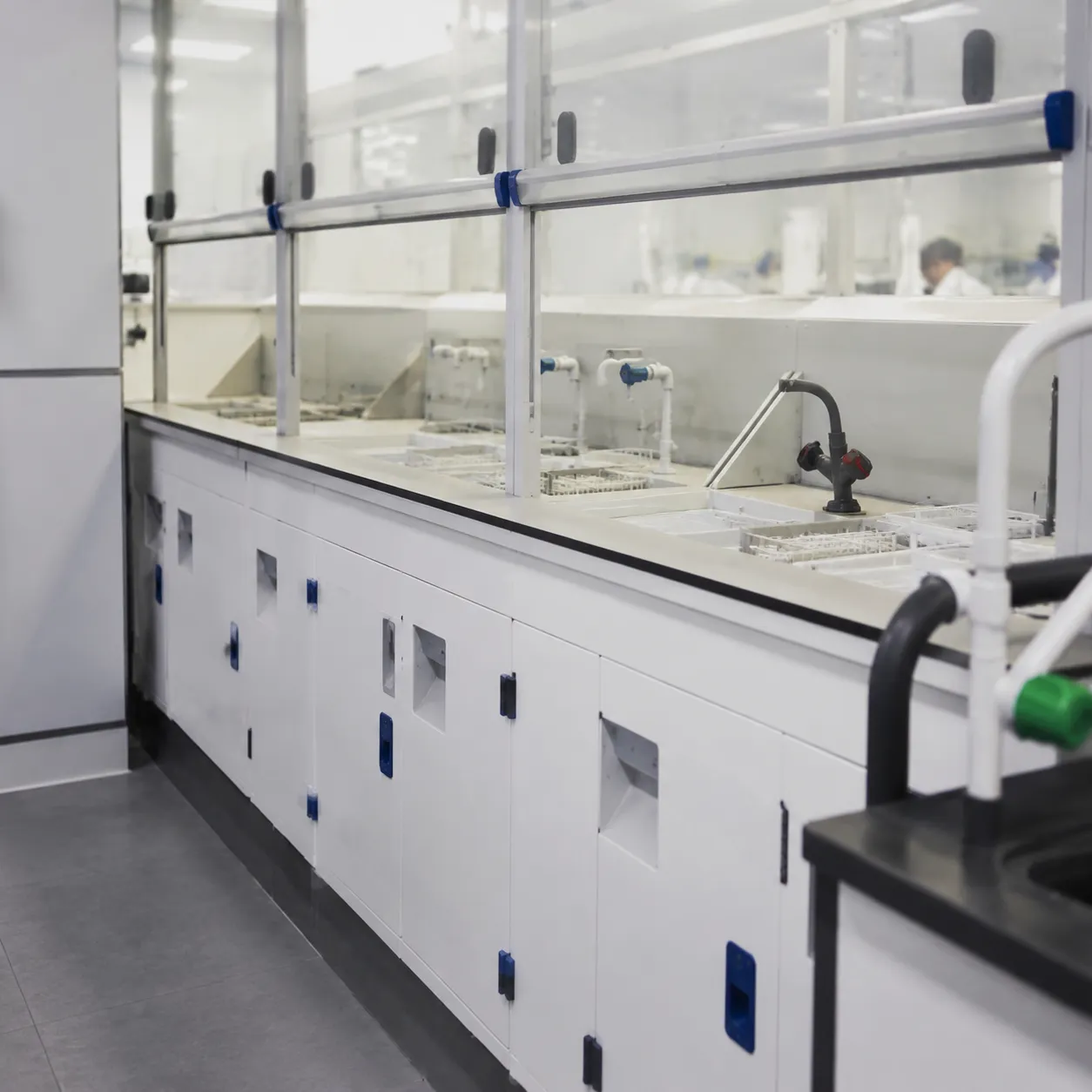
- 360-Degree Rim Lip Exhaust: Draws vapors horizontally across the bath lip at the point of origin, preventing escape during wafer transfer.
- Secondary Back-Draft Plenum: Traps heavy off-gassing and acid fumes, routing toxics straight to facility chemical exhaust scrubbers.
- Airflow Interlocks: Real-time pressure sensors continuously monitor exhaust velocity, automatically halting fluid dispensing if exhaust flow drops.
Chemical Containment and Leak Protection
-
- Optical Leak Detection: Continuous infrared sensors in secondary containment sumps spot fluid drops instantly, triggering emergency isolation valves.
- PFA Dual-Containment Plumbing: High-purity liquid lines run inside secondary sleeves to ensure zero external exposure in the event of a line burst.
- Incompatible Drain Interlocks: Automated valve logic prevents accidental cross-mixing of acids and solvents into shared waste lines.
Fire Mitigation and Systems Safety
-
- FM4910 Plastics: Constructed from fire-retardant polypropylene and PVDF that self-extinguish and resist smoke creation.
- Active Nitrogen Blanketing: Maintains an inert $N_2$ barrier over solvent processes to suppress ignition sources.
- Hardware-Interlocked EPO: Emergency Power Off circuits immediately disconnect immersion heaters, dump process power, and trigger N2 purges to uphold rigorous semiconductor compliance and safety standards.
Process Capabilities & Application Support
Substrate Surface Preparation
-
- RCA Cleans (SC1/SC2): Targeted particle removal and trace metal decontamination using continuous recirculation and filtration.
- SPM Piranha Stripping: High-temperature sulfuric acid and hydrogen peroxide mixing for total photoresist stripping and organic clean cycles.
- Surface Conditioning: Organic decontamination modules integrated into dedicated solvent spray process stations for optimal surface wetting.
Etching & Precision Thinning
Our chemical wet benches provide tight bath stability for uniform layer removal:
Oxide & Nitride Wet Etching: Dedicated quartz bath wet bench setups using temperature-controlled hot phosphoric acid and buffered oxide etch (BOE).
Anisotropic Silicon Etching: Recirculated KOH and TMAH chemical baths optimized for uniform MEMS micromachining and silicon substrate thinning.
Advanced Packaging & Microelectronics
To handle complex heterogenous structures, our high-precision wafer wet processing system integrates advanced physical clearing and delicate substrate support:
TSV Cleaning: High-aspect-ratio cleaning for Through-Silicon Vias that purges post-etch residue without disturbing delicate feature walls through targeted wet process technology.
Non-Contact Edge Handling: Edge-grip and Bernoulli end-effectors that protect active die areas and eliminate contact-induced surface defects on 150 mm, 200 mm, and 300 mm wafers.
Standalone Wet Process Bench Customization Options & Accessories
We tailor every standalone wet process bench to meet your exact yield targets, chemical chemistries, and substrate handling requirements. Whether you operate a manual R&D pilot line or an automated cleanroom, our modular configurations ensure seamless adaptability.
Process Bath Configurations
| Bath Type | Thermal & Fluid Management | Primary Application |
|---|---|---|
| Constant Temperature Bath (CTB) | Recirculated PTFE/PVDF filtration with continuous heating up to 180°C | Precision acid etching bench processes, SPM Piranha stripping |
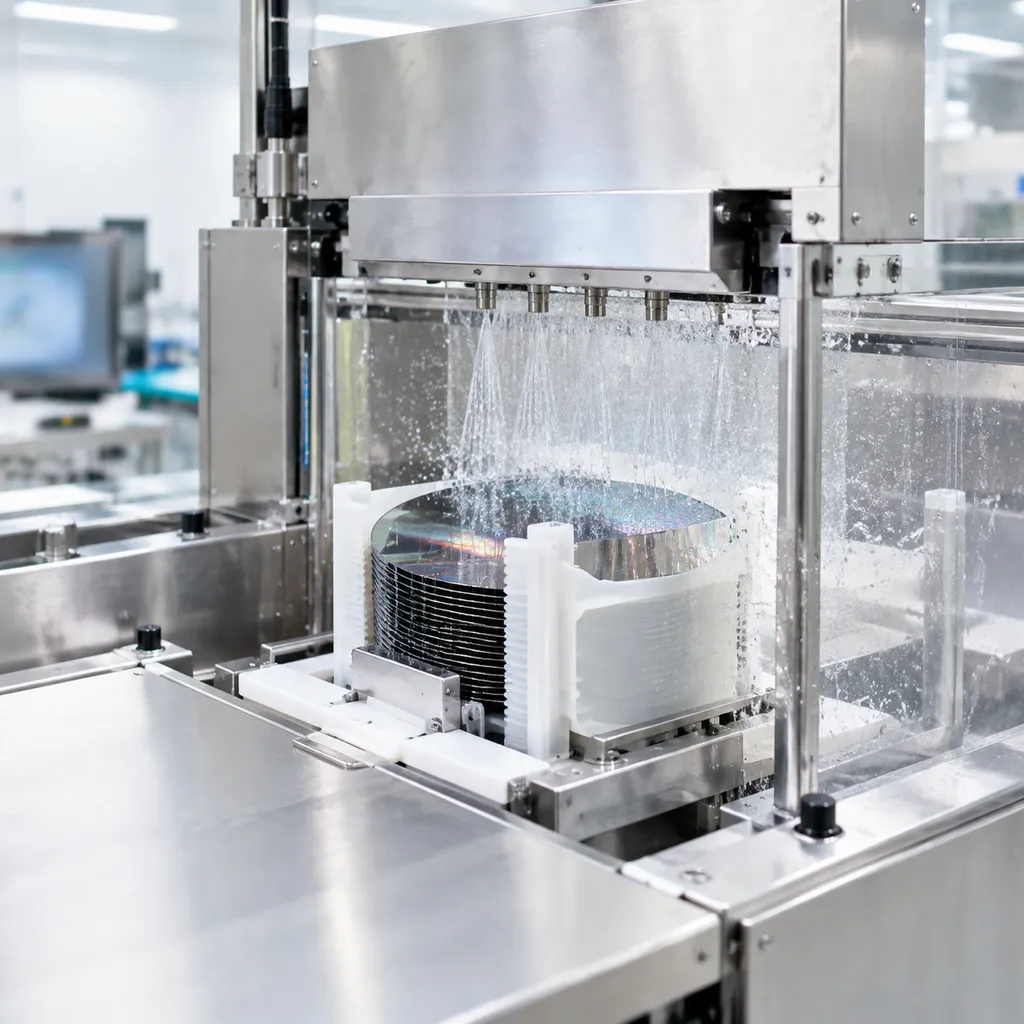
| Quick Dump Rinser (QDR) | Bottom-fill, rapid pneumatically actuated dump valves with overhead sprays | Rapid ionic residue removal and cleanroom water conservation |
| Cascade Rinser | Multi-stage counter-current DI water overflow | Low-consumption surface neutralization after chemical baths |
Sub-Micron Megasonic Agitation
To strip sub-200 nm contaminants without damaging sensitive microstructures, we integrate megasonic transducer arrays into our quartz bath wet bench modules. Operating at frequencies between 800 kHz and 3 MHz, uniform acoustic energy dislodges particles during critical wafer cleaning wet bench cycles.
Automation & MES Integration Upgrades
Upgrading your wafer processing workflow reduces manual chemical exposure and enhances lot-to-lot repeatability. Explore our range of automatic wet bench systems for turnkey automated operations.
-
- Pneumatic Transfer Mechanisms: Reliable, low-cost pneumatic actuators for standard 2-axis basket handling.
- Servo-Driven Y/Z Robotics: High-precision servo drives offering programmable velocity profiles and gentle substrate immersion.
- SECS/GEM Protocol Support: Built-in software compliance enabling complete fab-wide equipment integration with your MES for recipe control and real-time data logging.
Quality Assurance & Service Support
We back every standalone wet process bench with strict lead-time commitments, rigorous factory testing, and dedicated field engineering to ensure rapid tool integration and maximum uptime in your fab.
Guaranteed Delivery Lead Times
Baseline Configurations: Standard manual wet bench systems ship in under 4 weeks.
Automated Platforms: Fully integrated, high-throughput automated wet bench systems ship within 16 to 24 weeks.
Lifecycle Validation & Field Support
Factory Acceptance Testing (FAT): Complete hardware, software, fluidic, and optical leak sensor validation prior to shipment.
Site Acceptance Testing (SAT): On-site facility hookup validation, chemical dosing calibration, and baseline process qualification.
Cleanroom & Safety Validation: Airflow balancing, particle mapping, and SEMI S2/S8 compliance verification for ISO Class 5–7 environments.
24/7 Global Service: Around-the-clock technical assistance, rapid OEM spare parts dispatch, and remote diagnostic support.
Frequently Asked Questions: Standalone Wet Process Bench
What safety certifications does a standalone wet process bench require?
A safety-compliant standalone wet process bench must meet strict industry standards to ensure operator protection and facility integration:
-
- SEMI S2 & SEMI S8: Primary safety, environmental, health, and ergonomic standards for semiconductor manufacturing equipment.
- FM4910 Compliance: Requires fire-safe materials, such as cleanroom-grade polypropylene or PVDF, to prevent fire spread and chemical contamination.
- NFPA 79 & CE Mark: Ensures electrical safety, interlocked emergency power off (EPO) circuits, and localized exhaust monitoring.
How do chemical bath materials differ for acid vs. solvent processing?
Material selection depends directly on chemical compatibility and thermal requirements:
-
- Acid & Alkaline Processing: Built using a white polypropylene wet bench structure with PVDF, PTFE, or PFA fluidics. High-temperature acid cleans (like SPM or hot phosphoric acid) require a quartz bath wet bench setup. Explore our tailored custom wet process stations for specific acid or solvent chemistries.
- Solvent Processing: Solvents require electropolished 316L stainless steel or solvent-rated fluoropolymers with continuous grounding and active N2 purging to eliminate static charges and fire hazards.
What substrate sizes and wafer materials can be processed?
Our wafer wet processing system architecture supports diverse substrate formats and materials:
-
- Substrate Sizes: Standard 150 mm (6-inch), 200 mm (8-inch), and 300 mm (12-inch) wafers.
- Wafer Materials: Silicon (Si), Silicon Carbide (SiC), Gallium Nitride (GaN), Gallium Arsenide (GaAs), quartz, and glass plates.
- Carrier Compatibility: Supports standard cassettes, coin-stack carriers, and custom non-contact edge-grip handlers for fragile or ultra-thin wafers.
How does automated transfer compare to manual wet process bench operation?
Selecting between a manual wet process station and an automated wet bench system comes down to yield requirements and throughput needs:
-
- Manual Benches: Best for low-volume R&D, failure analysis, and flexible pilot lines. They offer lower upfront costs, though process repeatability relies on operator precision.
- Automated Systems: Feature linear or multi-axis servo transfer robotics that deliver ±0.1-second immersion accuracy, full SECS/GEM MES integration, and zero operator chemical exposure. Review our recent semiconductor wet bench installation projects to see how automated transfer increases fab yield.