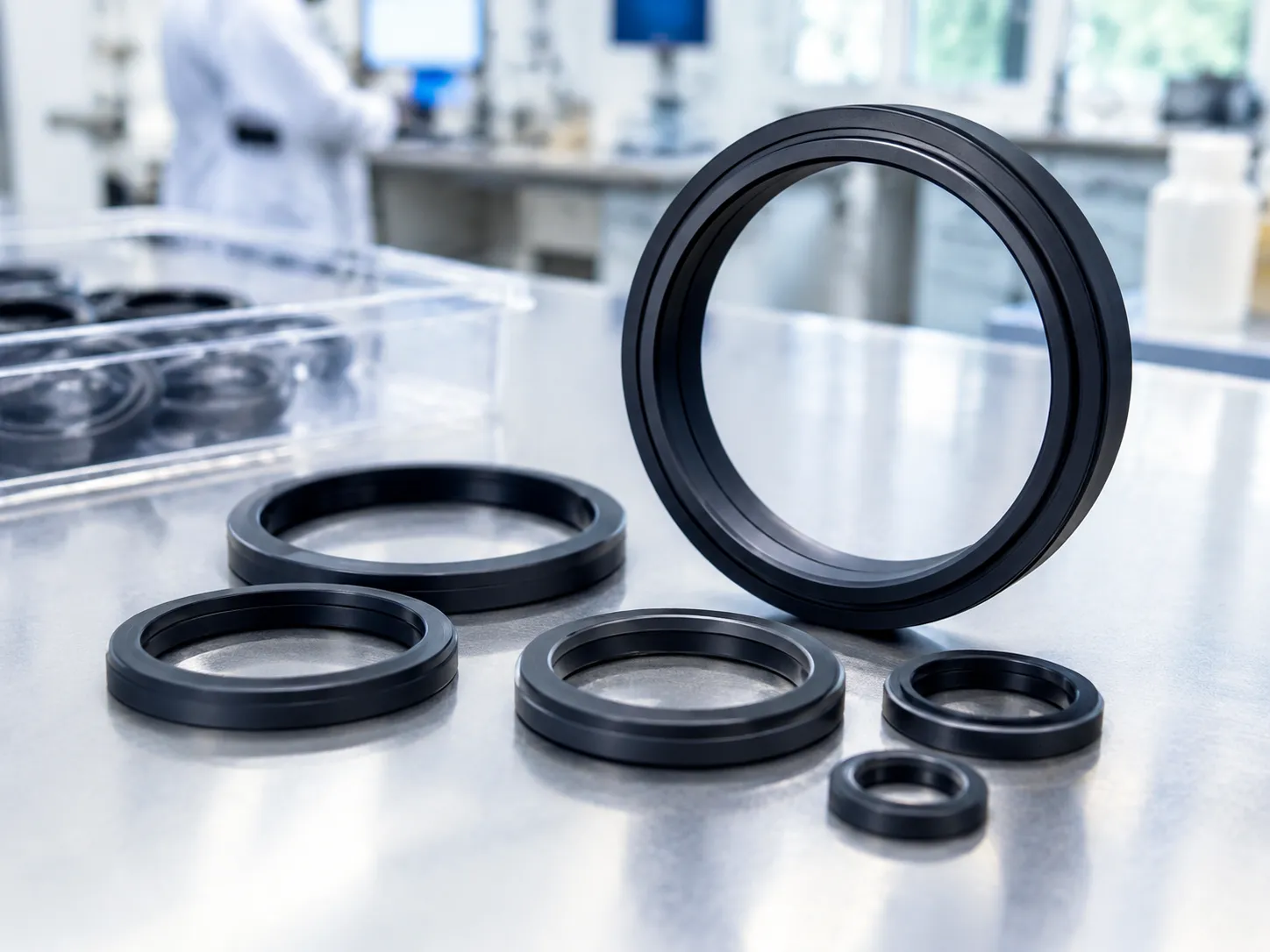
In semiconductor manufacturing, choosing the wrong seal material isn't just a minor maintenance issue—it's a multi-thousand-dollar yield killer.
In this guide, you’ll discover how to select the best high-end elastomers for semiconductor wet benches to withstand aggressive chemistries, eliminate micro-contamination, and drastically extend tool uptime.
Let's dive right in.
High-End Elastomers for Semiconductor Wet Benches: Critical Fluid Sealing in Modern Wet Stations
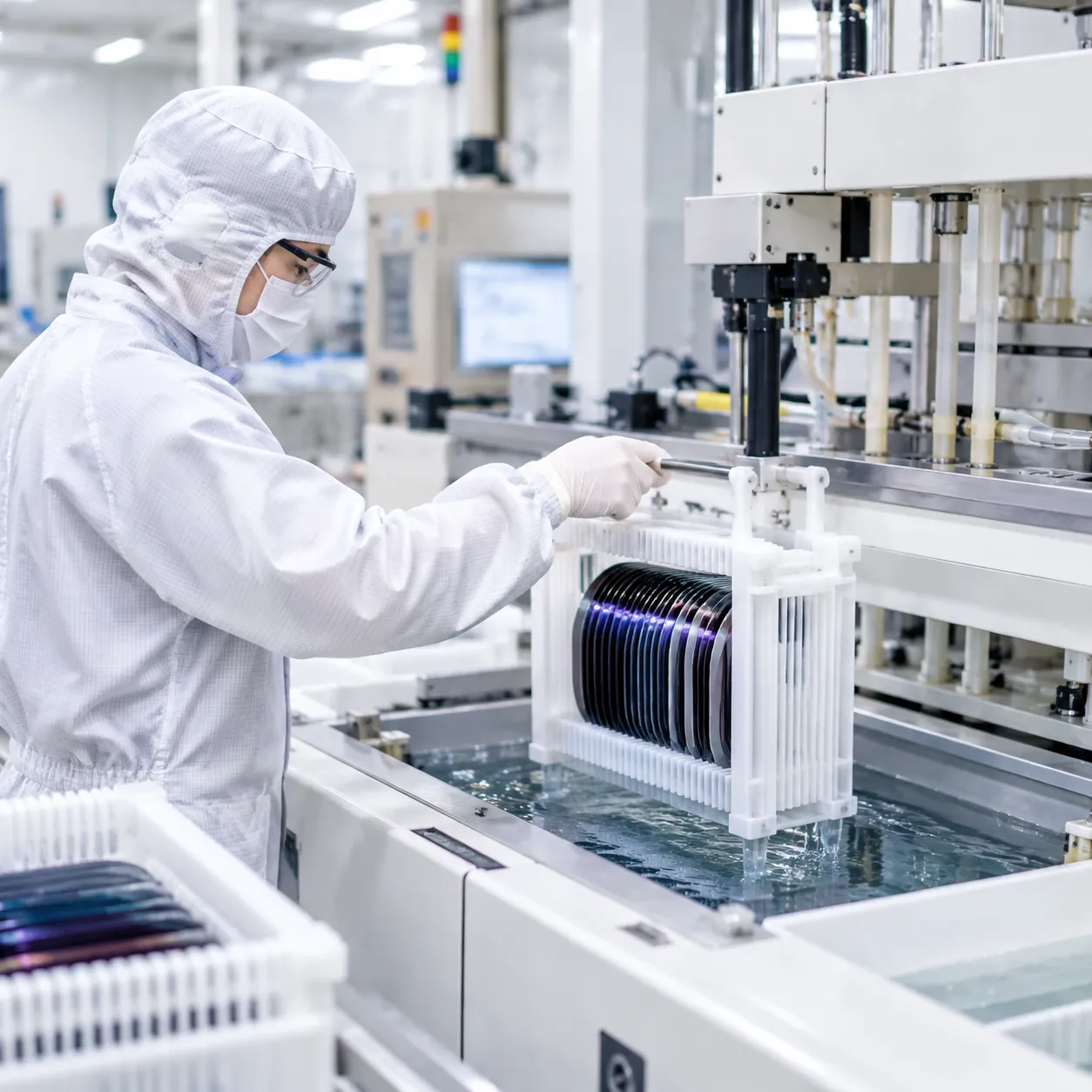
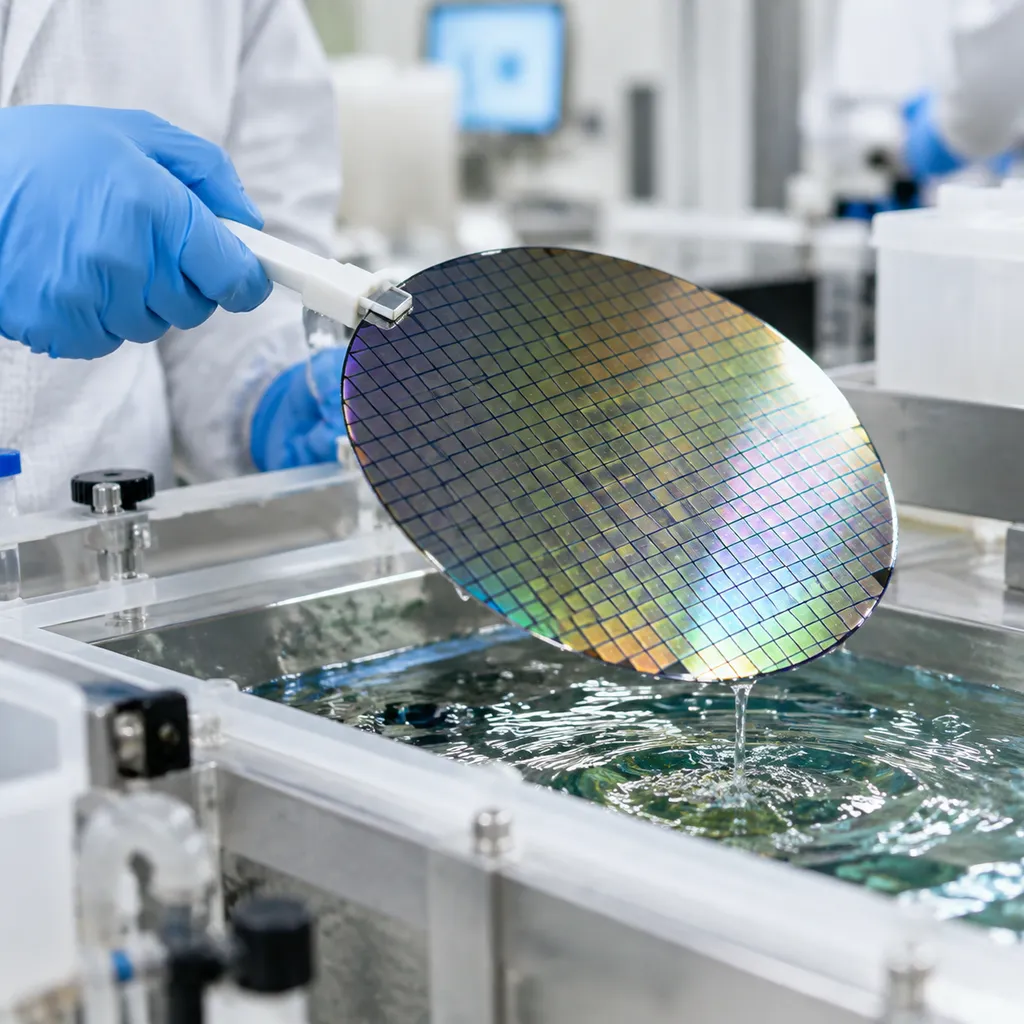
As semiconductor manufacturing advances toward sub-2nm nodes, wafer fabrication process windows shrink dramatically, leaving zero tolerance for fluid system defects. In automated wet benches, single-wafer cleaning tools, and chemical delivery manifolds, sealing integrity operates directly at the interface between aggressive chemistries and ultra-sensitive substrates.
Under these stringent operating conditions, the performance of elastomer seals determines whether a tool maintains uninterrupted production or causes catastrophic process line contamination.
Extreme Chemical Degradation in Advanced Wet Cleans
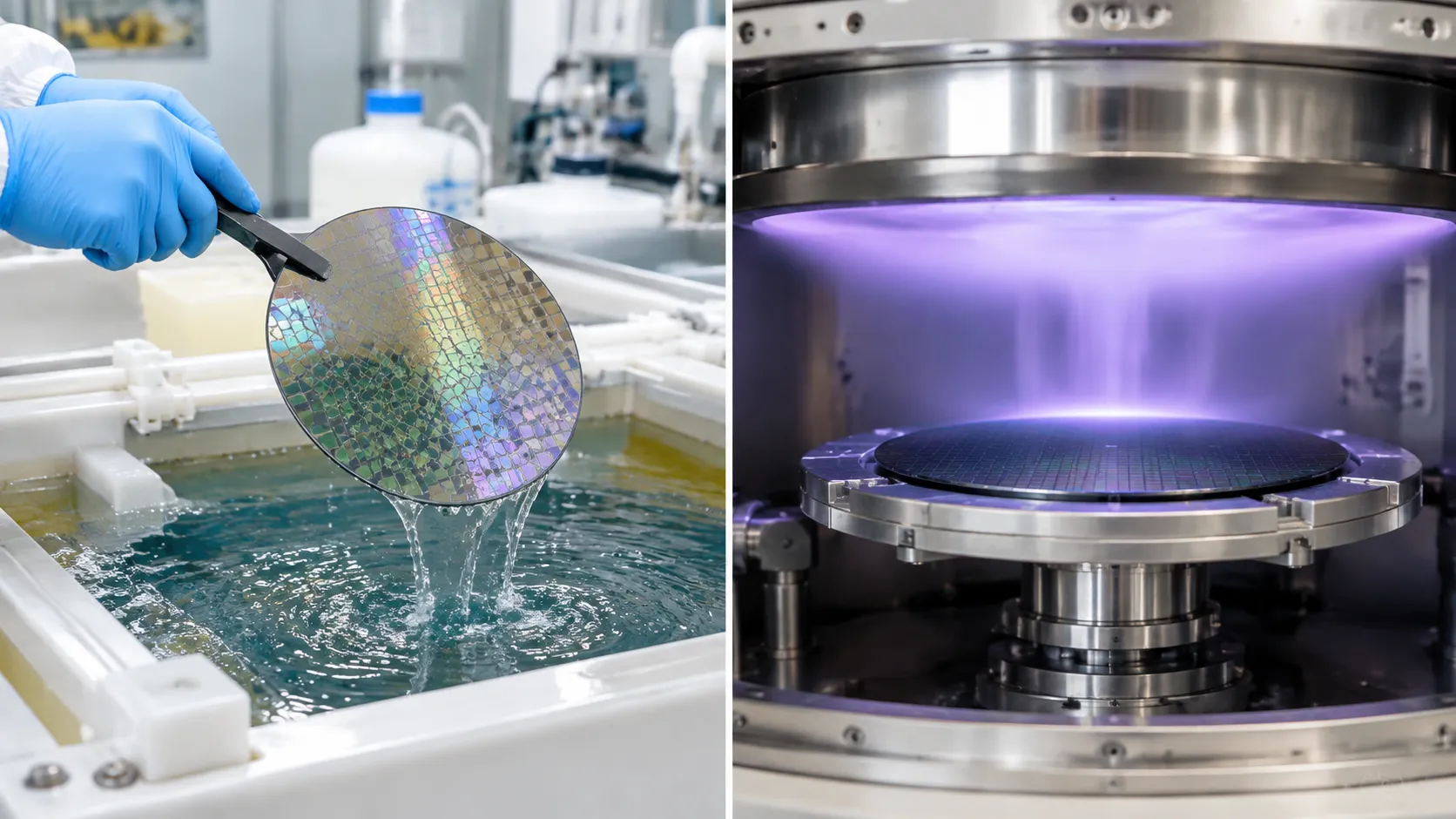
Modern wet etch, wafer clean, and photoresist stripping processes deploy aggressive, high-temperature chemical blends designed to dissolve organic residues, native oxides, and metallic impurities. These same chemistries actively degrade standard elastomer seals:
-
- Aggressive Oxidizers and Acid Blends: Solutions like SPM (Piranha), nitric acid, and sulfuric acid cause rapid polymer chain scission, surface blistering, and matrix erosion.
- Fluoride Chemistries: Hydrofluoric acid (HF) and Buffered Oxide Etch (BOE) attack conventional polymer backbones and reactive curing agents.
- Strong Alkalis and Solvents: High-pH cleans such as SC-1, TMAH, and solvent blends penetrate elastomer matrices, causing excessive volumetric swelling and mechanical softening.
- Ozonated Chemistries: Dissolved ozone (O₃) and ozonated DI water rapidly embrittle standard elastomers through intense oxidative cracking.
The Real Cost of Premature Seal Failure in Fabs
When sealing integrity fails within a wet bench, the financial and operational fallout directly impacts the fab's bottom line:
-
- Direct Yield Loss from Trace Contamination: Degraded seals leach ionic species and trace metals directly into high-purity chemical baths, driving up wafer defectivity across critical layers.
- Sub-Micron Particulate Shedding: Surface breakdown under dynamic flow sheds microscopic particles into the fluid path, compromising zero-defect yields.
- Unplanned MTBC Downtime: Premature seal degradation forces unscheduled tool shutdowns, shortens Mean Time Between Cleans (MTBC), and spikes the overall Cost of Ownership (COO).
- Chemical Safety Hazards: Micro-leaks in chemical delivery cabinets, Quick Dump Rinse (QDR) valves, and recirculation loops create safety risks and unplanned tool interlocks.
Ensuring stable wafer output requires high-purity, fully fluorinated perfluoroelastomer (FFKM) solutions engineered to resist aggressive wet chemistry while eliminating extractables.
Chemical Exposure Profiles in Semiconductor Wet Bench Environments
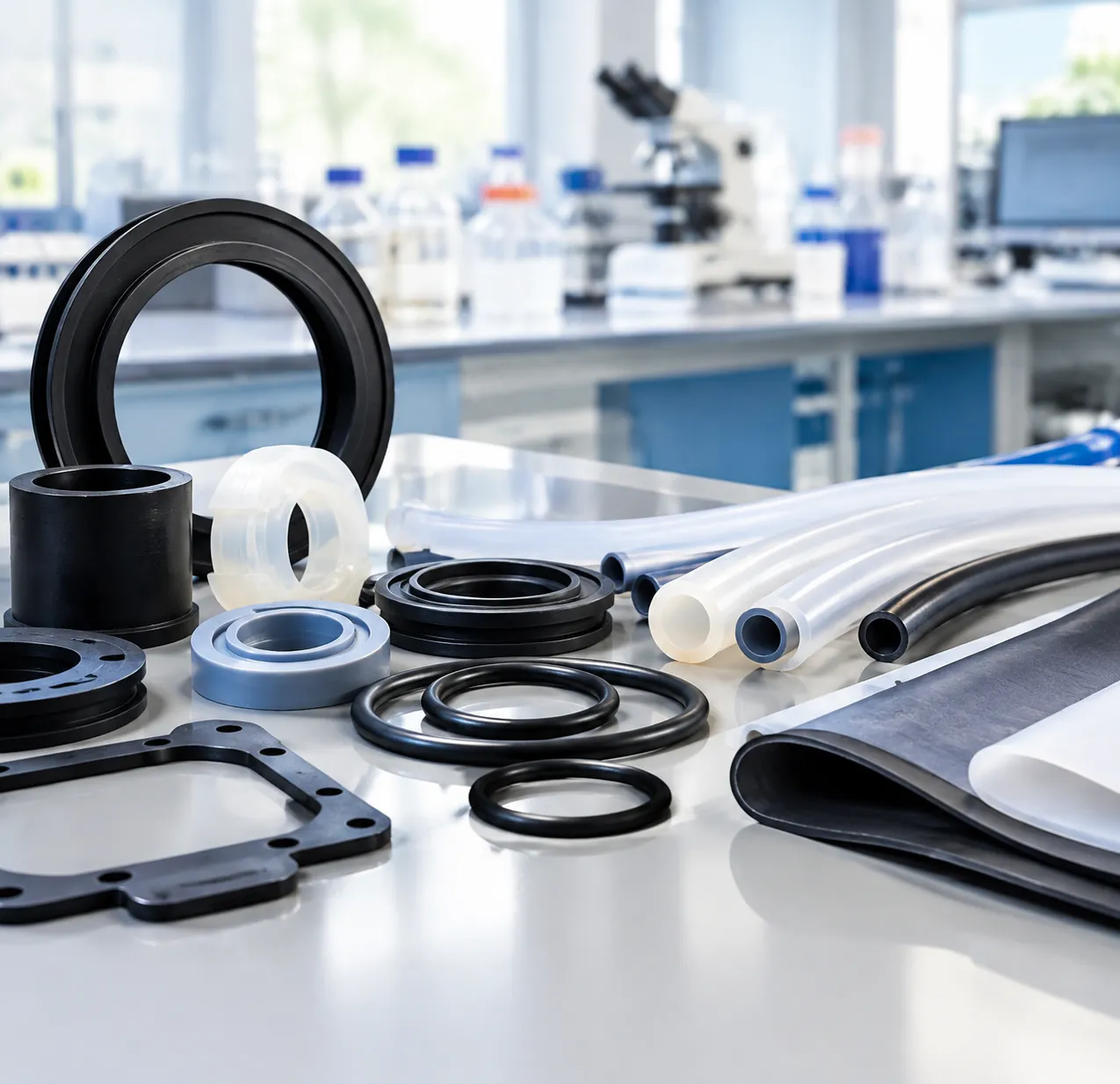
Oxidizing Acids and Stripping Chemistries
Fluoride Solutions: HF and Buffered Oxide Etch (BOE)
Hot oxide stripping and silicon etching demand absolute resistance to reactive fluoride ions:
- Hydrofluoric Acid (HF) & Dilute HF (DHF): Penetrates standard polymer networks, dissolving mineral fillers and causing rapid volumetric swelling.
- Buffered Oxide Etch (BOE): Mixtures of NH₄F and HF cause severe surface cracking in non-optimized seals used in our chemical wet bench for wafer cleaning and etching systems.
- Material Defense: Our wet bench seals utilize ultra-clean, filler-free or high-purity cross-linked matrices to eliminate trace metal extraction and seal breakdown in fluoride chemistries.
Alkaline Cleans and Photoresist Strippers
Strong alkaline solutions attack standard fluoroelastomers via dehydrofluorination:
- Standard Clean 1 (SC-1 / APM): Blends of ammonium hydroxide (NH₄OH), hydrogen peroxide (H₂O₂), and DI water attack base-sensitive cure systems, leading to rapid swelling and seal degradation.
- Tetramethylammonium Hydroxide (TMAH) & KOH: Widely utilized in anisotropic etching and resist stripping, these strong bases require robust polymer cure architectures that prevent polymer matrix softening.
Ozonated Water (DIO₃) and Solvent Circuits
Solvent drying and advanced oxidation processes require dual-spectrum chemical resistance:
- Ozonated Deionized Water (DIO₃): A powerful oxidizer that breaks unsaturated polymer bonds, causing micro-fissuring and particle shedding in DI rinse loops.
- Solvents (IPA and Acetone): Isopropyl alcohol dryers and solvent stripping circuits swell standard elastomer seals, resulting in dimensional instability and joint leakage.
- Universal Compatibility: Our high-end FFKM formulations deliver stable sealing across alternating aqueous, solvent, and oxidizer process cycles without dimensional distortion or trace contamination.
Primary Failure Modes of Standard Elastomer Seals in Wet Tools
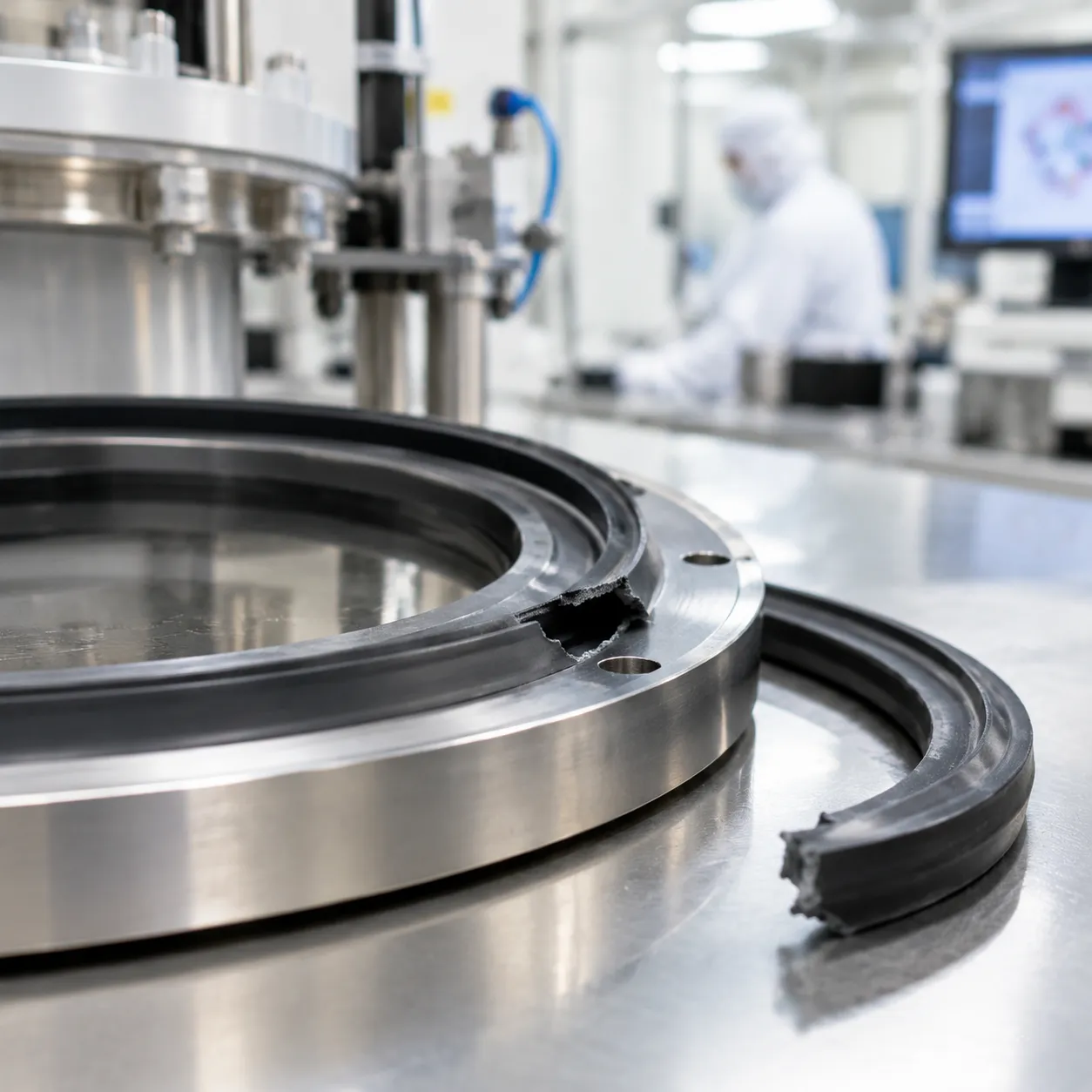
When standard-grade seals face aggressive chemical baths and thermal fluctuations in wet processing stations, they degrade rapidly. In semiconductor manufacturing, seal breakdown causes far more than fluid leaks—it introduces severe contamination and drives up unplanned downtime. To maintain strict wet bench contamination control, our high-end elastomers for semiconductor wet benches are specifically engineered to eliminate the four primary physical and chemical failure modes seen in standard materials.
1. Trace Metal and Ionic Leaching
Standard fluoroelastomers often use curing agents and inorganic fillers containing residual metallic elements. When exposed to ultra-pure process chemistries like DHF, SC-1, or SPM:
Chemical extraction: Strong acids and alkalis strip trace metals (such as iron, zinc, aluminum, and calcium) directly out of the elastomer matrix.
Bath contamination: Leached ions migrate into the chemical bath, depositing onto wafer surfaces and causing gate oxide defects in advanced node processing.
2. Sub-Micron Particulate Generation and Surface Erosion
Dynamic mechanical actions in spray arms, metering pumps, and valve seats accelerate the wear of chemically compromised polymers:
Surface embrittlement: Aggressive oxidizers attack the cross-link network, creating microscopic surface fractures.
Particle shedding: Continued dynamic cycling sloughs off sub-micron particles directly into the fluid stream, increasing wafer defectivity during critical etch and clean steps.
3. Volumetric Swelling and Matrix Softening
Exposure to aggressive stripping solvents and high-temperature cleaning mixtures frequently compromises standard seal structures:
Excessive chemical absorption: Seals swell beyond allowable groove dimensions, causing valve sticking, excessive friction, and physical extrusion.
Loss of mechanical elasticity: Chemical saturation softens the elastomer, degrading tensile strength and leading to seal rupture under process pressure.
4. High Fluoroelastomer Compression Set
Thermal cycling between heated chemical baths and ambient deionized water rinses continuously stresses elastomeric memory:
Permanent deformation: Standard fluoroelastomer seals take on a permanent compression set under elevated temperatures, losing their sealing force.
Thermal leak paths: As the process cools or cycles through pressure differentials, the flattened seal cannot recover its original geometry, creating micro-leak paths across chemical distribution manifolds and static flange assemblies.
Evaluating High-End Elastomers for Semiconductor Wet Benches
Choosing the right seal material for automated wet stations comes down to balancing chemical inertness, mechanical elasticity, and ionic purity. When running continuous acid etching, solvent stripping, and alkaline cleans, standard seal materials quickly show their physical limits.
FKM and PTFE Limitations in Aggressive Wet Cleans
Standard fluoroelastomers (FKM) and rigid fluoropolymers (PTFE) present distinct trade-offs in chemical wet stations:
-
- Standard FKM Fluoroelastomers: While effective in mild chemical lines, standard FKM degrades rapidly when exposed to hot oxidizing acids like SPM (Piranha) or strong bases like SC-1 and TMAH. The polymer backbone undergoes chain scission, causing severe swelling, embrittlement, and rapid seal failure.
- PTFE Components: PTFE offers universal chemical inertness, but as a non-elastomeric thermoplastic, it lacks elastic recovery. Under thermal cycling and continuous mechanical load, PTFE suffers from cold flow (creep), creating permanent leak paths in dynamic fittings and valve seats.
Perfluoroelastomer FFKM Seals: The Benchmark for Wet Chemical Resistance
Perfluoroelastomer FFKM seals serve as the primary solution for harsh wet chemistry. Our ultra-pure FFKM formulations combine the universal chemical resistance of PTFE with the true elastomeric resilience required for tight, repeatable sealing across wet bench chemistry equipment.
-
- Fully Fluorinated C-F Bond Energy: FFKM features a fully fluorinated carbon-fluorine polymer backbone. The high bond dissociation energy of C-F bonds shields the matrix against chemical attack from concentrated HF, sulfuric acid, nitric acid, ozone, and aggressive organic solvents.
- Ultra-Pure Cross-Linking Dynamics: We utilize advanced curing systems that eliminate standard inorganic fillers and metal catalysts. This cross-linking structure resists chemical hardening, minimizes trace metal extractables, and maintains low compression set under thermal fluctuations.
Technical Benchmark: FFKM vs. FKM vs. EPDM
| Sealing Characteristic | Perfluoroelastomer (FFKM) | Fluoroelastomer (FKM) | EPDM Rubber | PTFE (Reference Non-Elastomer) |
|---|---|---|---|---|
| SPM / Piranha & SC-1 Resistance | Excellent (No swelling) | Poor (Rapid degradation) | Poor (Degrades in oxidizers) | Excellent |
| HF & BOE Compatibility | Excellent | Good (Acid-grade only) | Moderate to Good | Excellent |
| Solvent & TMAH Resistance | Excellent | Moderate to Poor | Good (Polar solvents only) | Excellent |
| Compression Set Resistance | High recovery across cycles | Moderate | Moderate to Good | Very Poor (Plastic creep) |
| Trace Metal Extractables | Ultra-Low (PPT to PPB level) | Moderate (PPM level) | High (PPM level) | Ultra-Low |
| Particle Shedding Risk | Minimal | High upon degradation | High upon degradation | Low (Static only) |
By matching our FFKM compound chemistry to the specific fluid stream, we ensure continuous seal integrity in critical sub-assemblies, including each high-purity pneumatic diaphragm valve for semiconductor wet processing and distribution manifold.
High-Stress Integration Points for High-End Elastomers in Wet Benches
1. Chemical Dispense and Recirculation Loops
Recirculation loops, pulsation dampeners, and inline flow meters operate under continuous hydraulic pressure, high flow velocities, and turbulent fluid shear.
Pulsation Dampeners & Diaphragm Pumps: Dynamic flex points require ultra-pure perfluoroelastomer (FFKM) diaphragms that withstand cyclic mechanical fatigue without micro-cracking or leaching trace metals into the chemical stream.
Flow Meters & Pressure Sensors: High-purity elastomeric O-rings must maintain dimensional stability to prevent flow path obstruction, seal swelling, or sensor drift under continuous hot chemical flow.
2. Immersion Baths and Quick Dump Rinse (QDR) Valve Seals
Bottom-dump actuators and drain valves in high-precision wet benches for semiconductor processing face some of the harshest conditions in the wet module:
Thermal Shock Resistance: QDR valves alternate rapidly between high-temperature process baths (such as hot SPM or SC-1 at 80°C to 130°C) and room-temperature deionized (DI) water flushes.
Rapid Actuation & Anti-Sticking: Our custom-formulated FFKM compounds deliver fast elastic rebound and low surface adhesion, ensuring instant shutoff and zero seal sticking during rapid dump cycles.
3. Single-Wafer Spray Tools and Chamber Bowl Gaskets
In automated single-wafer wet processing equipment, sealing challenges shift toward high-velocity dynamic movement and chemical vapor containment:
Dynamic Dispense Arms: Rotary seals on moving chemical dispense nozzles must resist friction-induced wear and prevent sub-micron particle generation over millions of sweeps.
Chamber Bowl & Splash Guard Gaskets: Large-diameter static gaskets continuously encounter concentrated chemical mists, solvent vapors (IPA/acetone), and ozonated DI water (DIO3), requiring materials that resist matrix softening and ozone cracking.
4. Bulk Chemical Distribution Cabinets (BCDS) & Static Manifold Flanges
Central chemical feed systems and multi-port valve manifolds demand absolute containment reliability across thousands of operating hours:
Static Manifold Flange Seals: High-end FFKM seals provide near-zero compression set, preventing chemical weepage at pipe joints and static manifold interfaces.
Vapor Lockout: Excellent gas barrier properties prevent atmospheric moisture ingress into moisture-sensitive chemistries, protecting high-purity chemical distribution loops from premature acid breakdown.
Engineering Selection Criteria for Wet Bench High-End Elastomers
Selecting high-end elastomers for semiconductor wet benches requires a strict balance between extreme chemical resistance, physical resilience, and baseline material purity. When we qualify sealing materials for wet etch and clean processes, we evaluate three critical engineering factors:
Purity Qualification and ICP-MS Testing
Wafer yield depends on eliminating trace element migration into chemical baths. We validate our elastomer compounds using Inductively Coupled Plasma Mass Spectrometry (ICP-MS) after static chemical soaking to measure extractables.
-
- Target Extraction Levels: Leading-edge fabs require total trace metal extractables controlled down to parts-per-trillion (PPT) rather than parts-per-billion (PPB) levels.
- Key Elements Monitored: Critical metals such as iron (Fe), copper (Cu), aluminum (Al), zinc (Zn), and alkali metals (Na, K, Ca) must remain below detection thresholds.
- Anion Leaching: Minimal elution of fluorides, chlorides, and nitrates prevents unexpected pH shifts in ultra-pure chemical mixtures.
Mechanical Performance: Durometer and Compression Set
A seal that resists chemistry is ineffective if it loses sealing force or binds dynamic actuators. We tailor mechanical parameters to match specific hardware duties:
-
- Hardness Optimization: Standard seals range between 65 to 80 Shore A. A 70–75 Shore A rating provides the best balance between compliance on quartz/plastic mating surfaces and blowout resistance under line pressure.
- Compression Set Resistance: Materials must maintain a low compression set under cycling fluid temperatures to eliminate leak paths across recurring hot-to-cold thermal swings.
- Dynamic Modulus: Maintaining structural elasticity prevents excessive friction, tearing, and sub-micron particle shedding in moving valves and spray assemblies. Ensuring you specify the correct elastomeric components in your recommended wet bench spare parts to minimize downtime schedule directly prevents unplanned tool stops.
Cleanroom Processing and Post-Cure Standards
Raw compound synthesis is only half the battle. To guarantee ready-to-install cleanliness for advanced wet processing, high-grade seals undergo stringent post-mold processing:
-
- Extended Post-Cure: Thermal off-gassing cycles strip out residual cross-linking agents and volatile low-molecular-weight oligomers.
- UPW Decontamination: Multi-stage ultrasonic cleaning in ultra-pure DI water (UPW) strips surface particulates and residual ionic species.
- Cleanroom Packaging: Final inspection, air drying, and double vacuum packaging take place inside certified cleanroom environments, keeping every seal contamination-free until tool installation. For complex station builds, review our wet bench selection guide to verify matching seal grades against your specific tool infrastructure.
Advanced Sealing Solutions and Total Cost of Ownership
Universal High-Purity FFKM Formulations
Modern wafer cleaning lines use a wide mix of aggressive chemistries across sequential tanks. Instead of juggling multiple seal materials that risk chemical mix-ups, our universal FFKM grades deliver broad-spectrum compatibility across all major wet bench steps:
-
- Acid & Piranha Lines: Uncompromised resistance to hot SPM, concentrated sulfuric acid, and hydrofluoric acid (HF/BOE) mixtures.
- Alkaline & Stripping Baths: Complete stability against SC-1 cleans, hot KOH, and TMAH-based photoresist strippers without matrix softening.
- Solvent & Ozonated Circuits: Zero chemical swelling or cracking when exposed to high-purity IPA, acetone, or ozonated DI water (DIO3).
Custom Seal Geometries and Precision Molded Profiles
We provide precision sealing configurations built specifically for high-stress locations across automated wet bench semiconductor wet processing systems:
-
- AS568 & Metric Standard O-Rings: High-precision, cleanroom-molded rings for static piping flanges and standard quick-disconnect fittings.
- Custom Molded Diaphragms: Thin-profile, high-flex diaphragms engineered for chemical metering pumps and dynamic dump valves.
- Engineered Flange Gaskets: Custom-machined and molded profiles designed to seal fluid manifolds and chemical distribution modules without creeping under torque.
Lowering Total Cost of Ownership and Maximizing Tool Uptime
While high-grade FFKM represents a higher initial component cost than standard elastomers, the return on investment comes from yield protection and reduced tool maintenance:
-
- Extended Mean Time Between Cleans (MTBC): Long service life prevents unplanned chamber teardowns and emergency seal swaps.
- Yield Protection: Ultra-low trace metal extractables and zero particulate shedding eliminate defect sources in advanced node processing.
- Predictable Maintenance Cycles: Superior compression set resistance ensures leak-free operation throughout scheduled tool preventive maintenance (PM) intervals.
Frequently Asked Questions About High-End Wet Bench Elastomers
Why do standard FKM O-rings fail quickly in SPM and SC-1 cleaning baths?
Standard fluoroelastomers (FKM) lack a fully fluorinated polymer backbone. When exposed to hot sulfuric acid-hydrogen peroxide mixtures (SPM/Piranha), strong oxidizers attack the non-fluorinated sites, causing rapid chemical hardening and surface cracking. In alkaline SC-1 solutions (ammonium hydroxide/peroxide), base-catalyzed dehydrofluorination strips the polymer chain, resulting in extreme volumetric swelling and matrix erosion. For reliable operation in automated wet stations and RCA cleaning systems, we deploy high-purity perfluoroelastomer (FFKM) seals that provide complete universal resistance to both extreme oxidizers and strong alkalis.
How do trace metal extractables from seals impact wafer defectivity?
Standard industrial elastomers use metal oxide vulcanization aids and mineral fillers that continuously leach trace ions into wet bench chemistry:
-
- Gate Dielectric Breakdown: Mobile ions such as sodium ($Na^+$), potassium ($K^+$), and calcium ($Ca^{2+}$) migrate into thin gate oxides, driving threshold voltage shifts and high leakage currents.
- Carrier Lifetime Degradation: Transition metals like iron ($Fe$), copper ($Cu$), and nickel ($Ni$) create deep-level recombination centers in bulk silicon, destroying minority carrier lifetime.
- Yield Loss in Advanced Nodes: In sub-micron and sub-2nm fabrication, ppb- and ppt-level metal contamination in wet chemical recirculating loops causes critical surface defects.
We control contamination by using ultra-clean perfluoroelastomer FFKM seals processed in cleanrooms, keeping ionic leaching well below destructive defect thresholds in critical wafer cleaning systems.
What is the difference between peroxide-cured and standard FFKM in wet etching?
The primary distinction lies in cross-linking chemistry and purity:
| Parameter | Standard / Nitrile-Cured FFKM | Peroxide-Cured High-Purity FFKM |
|---|---|---|
| Cross-Link Structure | Triazine or bisphenol linkages | Direct Carbon-Carbon ($C-C$) covalent bonds |
| Hydrofluoric Acid (HF) Resistance | Moderate (linkage cleavage over time) | Maximum (impermeable to HF and BOE attack) |
| Trace Metal Extraction | Low to moderate (residual cure catalysts) | Ultra-low (cleanroom synthesized, pure matrix) |
| Thermal & Moisture Hydrolysis | Susceptible to high-temp steam/acid attack | Immune to hydrolytic degradation in cycling baths |
For aggressive wet etch manifolds running concentrated HF, Buffered Oxide Etch (BOE), or hot phosphoric acid, our peroxide-cured FFKM prevents back-biting chain scission, preserving seal elasticity.
How often should Quick Dump Rinse (QDR) valve seals be replaced to prevent leaks?
Standard elastomeric QDR valve seals typically face replacement cycles every 3 to 6 months due to high-cycle pneumatic actuation, rapid pressure drops, and abrasive fluid turbulence. By upgrading to our high-end FFKM formulations engineered with high tear strength and low compression set:
-
- Service Life Extension: Maintenance intervals expand to 12 to 18 months under standard operating conditions.
- Failure Mitigation: Eliminates micro-tearing and dynamic groove binding during rapid actuation cycles.
- MTBC Gains: Drastically raises the Mean Time Between Cleans (MTBC) and reduces unplanned wet bench downtime across high-throughput wafer fab modules.